


Music has always been a central pillar of Italian culture, shaping not only national identity but also influencing global artistic traditions. From the grandeur of classical compositions to the vibrancy of contemporary pop, Italy’s musical journey reflects centuries of innovation, passion, and creativity. Historically, Italy has contributed immensely to the development of Western music, producing genres, composers, and performers who left indelible marks on the world stage. The transition from classical traditions such as opera and symphonic works to modern popular music illustrates how Italy has continually adapted to cultural changes while preserving its unique sound.
The importance of opera in Italian music history
Opera originated in Italy at the end of the 16th century, with Jacopo Peri’s Dafne (1597) considered the first, though Claudio Monteverdi’s L’Orfeo (1607) is the earliest still performed today. Monteverdi, born in Cremona—a city renowned for its violin makers like Stradivari—helped establish opera as a lasting art form. During the Baroque era (1600–1750), opera flourished as a commercial spectacle, later refined in the Classical period, where Mozart’s collaborations with librettist Lorenzo da Ponte produced masterpieces such as Le nozze di Figaro, Don Giovanni, and Così fan tutte.
The Romantic era (1820–1910) marked opera’s golden age, with the Italian bel canto style emphasizing vocal brilliance and melodic beauty. Composers like Puccini created unforgettable arias, including O mio babbino caro from Gianni Schicchi, which became more famous than the operas themselves. This period solidified Italy’s reputation as the heart of opera, blending artistry, emotion, and musical innovation that continues to resonate worldwide.
The legacy of Italian music
Italy’s contribution to classical music extends far beyond opera. Italy’s folk and traditional music reflects its cultural diversity, with each region offering distinct styles such as the lively tarantella of the south and Alpine ballads of the north. These traditions have shaped the nation’s identity and continue to influence contemporary genres, where instruments like the accordion and mandolin remain central to modern compositions and performances.
Italian popular music in the 20th century
The 20th century marked a shift from classical traditions to popular music, as new technologies such as radio, cinema, and television brought Italian songs to mass audiences. Artists like Andrea Bocelli, Gianluca Grignani, and Laura Pausini helped make Italian music popular worldwide.
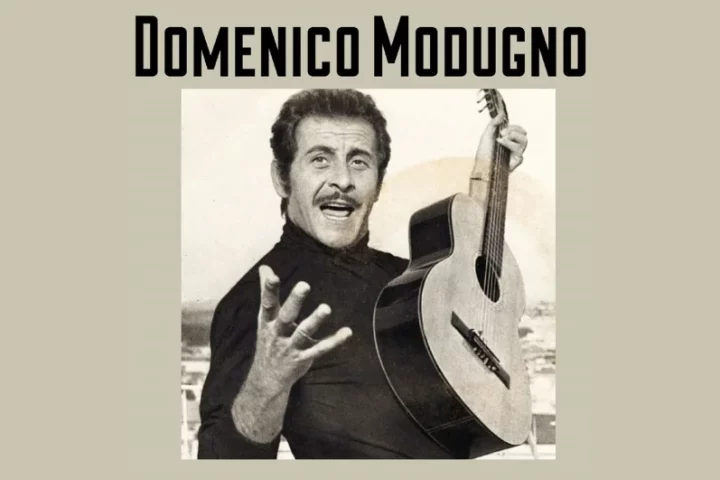
Italian popular music also gained international recognition through performers such as Domenico Modugno, whose song Volare (1958) became a global hit. Cinema further amplified the reach of Italian music, with film soundtracks by composers like Nino Rota and Ennio Morricone achieving worldwide acclaim. Morricone’s scores for Spaghetti Westerns, including The Good, the Bad and the Ugly, remain iconic examples of how Italian music shaped global culture.
Take advantage of specialized assistance to secure your passport for a borderless future.
The unique characteristics of the Italian sound
Folk music
In medieval Italy, the trovatori introduced vernacular song, moving away from Latin and inspiring forms like the madrigal, while collections such as the Rossi Codex preserved early secular polyphony by composers like Jacopo da Bologna. Alongside spiritual laude, these traditions laid the foundation for Italy’s diverse folk music, which reflects the country’s regional identities and histories. Folk styles vary widely: northern Italy favors polyphonic choral singing and syllabic ballads, while southern regions emphasize solo or unison singing with freer tempos and distinctive vocal timbres, with Sicily and Sardinia maintaining strong polyphonic traditions.
Classical music
Antonio Vivaldi, one of Italy’s greatest Baroque composers, is credited with shaping concerto music, and his masterpiece The Four Seasons remains globally celebrated. By the 20th century, classical music in Italy and across Europe shifted dramatically, moving away from traditional harmony and melody toward experimental styles such as atonality, minimalism, and electronic music. This era produced influential Italian composers including Ferruccio Busoni, Alfredo Casella, Luciano Berio, Luigi Nono, and others, who helped redefine modern classical music.
Pop music
Modern Italian pop music has evolved through several distinct phases since the 1950s, beginning with musica leggera led by Domenico Modugno, Mina, and Adriano Celentano, followed by the socially conscious cantautori of the late 1960s and 1970s such as Fabrizio De André and Lucio Dalla, whose protest songs addressed political and cultural issues. Later decades saw experimentation with progressive rock, the rise of rock leggero in the 1980s and 1990s with stars like Vasco Rossi and Ligabue, and unique blends of pop, folk, and baroque by artists such as Angelo Branduardi. International icons including Laura Pausini, Eros Ramazzotti, and Andrea Bocelli helped bring Italian pop to global audiences, cementing its place in modern music history.
The Italian soundtrack
Italian music is a reflection of history, identity, and artistry. By blending tradition with innovation, Italy has ensured that its musical heritage remains vibrant and influential. Whether in the concert hall, on the radio, or through digital platforms, Italian music continues to resonate, reminding us of the enduring power of art to connect cultures and generations.