




Few gestures in music are as instantly recognizable as the sign of the horns. Whether flashed by fans in a stadium or by musicians on stage, it has become a universal symbol of rock and heavy metal culture. For many people, the gesture is inseparable from the legacy of Ronnie James Dio, one of the most influential voices in metal history.
But the story behind this symbol goes far deeper than concerts, album covers, or stage theatrics. Its roots stretch back to old Italian folk traditions, superstitions, and family customs—elements that Dio carried with him from childhood and transformed into a global cultural icon.
Ronnie James Dio: background and Italian heritage
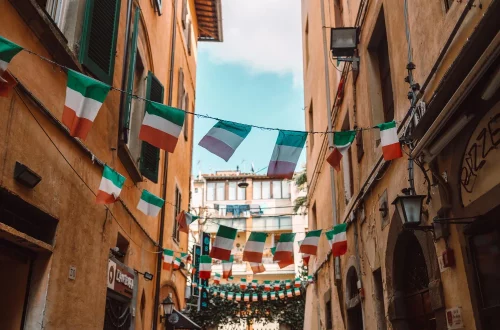
Ronnie James Dio, born Ronald James Padavona, grew up in an Italian‑American household where traditions from the old country were still very much alive. His family came from Southern Italy, a region rich in folklore, symbolism, and beliefs about luck, protection, and the supernatural.
Dio often spoke about how his upbringing shaped his worldview, his sense of identity, and even his artistic persona. The dramatic flair, the operatic vocal style, and the mystical imagery that defined his music all had roots in the cultural environment he grew up in.
His grandmother, in particular, played a central role in passing down customs that had been part of Italian life for generations. Among these was a hand gesture used to ward off misfortune: the sign of the horns.
Long before it became a symbol of heavy metal, it was a gesture of protection, a way to push away the “evil eye,” and a reminder of the cultural continuity between past and present.
The Italian folk origins of the gesture
To understand the sign of the horns, you have to understand the concept of the malocchio, or “evil eye.” In Italian folk belief, the evil eye is a curse brought on by envy, ill will, or even an admiring glance that carries unintended negative energy. One of the most common protective gestures was the corna, made by extending the index and little finger while curling the others inward.
This gesture wasn’t rebellious or theatrical in its original context. It was practical, everyday folk magic.
However, the gesture also had a dual meaning. While it could ward off evil, it could also be used as an insult—implying that someone had been cheated on or made a fool of. Italian culture is full of such layered symbols.
Take advantage of specialized assistance to secure your passport for a borderless future.
How Dio adopted the gesture
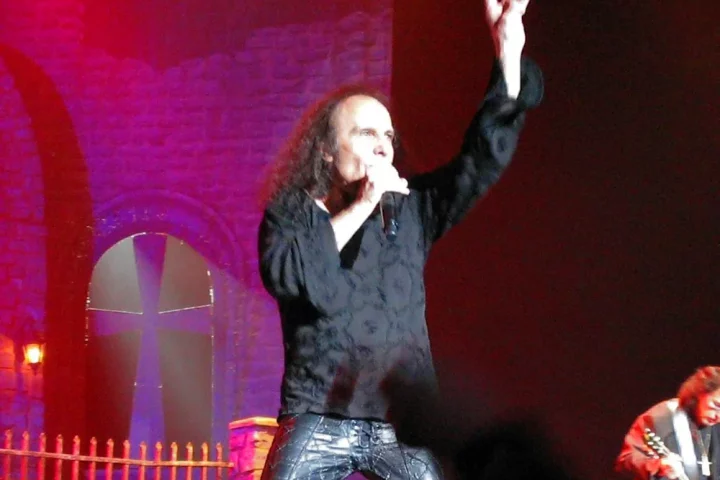
Ronnie James Dio began using the horns gesture early in his career, adapting the protective hand sign he had seen his Italian grandmother use—though she traditionally pointed the fingers downward, as was customary in Italian folk culture. Dio flipped the gesture upward onstage, partly as a tribute to her and partly to create a distinctive symbol of identity for himself and his fans, likely without fully realizing its deeper folkloric roots.
Wendy Dio, Dio’s wife, explained that Ronnie James Dio didn’t invent the “devil horns” gesture but helped popularize it in heavy metal. She said he learned it as a child from his Italian grandmother, who used the malocchio hand sign to ward off the evil eye.
He had already incorporated the gesture during his time with Rainbow, but it wasn’t until he joined Black Sabbath that it truly became embedded in rock and heavy metal culture. When Ronnie joined Black Sabbath and wanted an alternative to Ozzy Osbourne’s peace sign, he instinctively used the gesture onstage, and it quickly became associated with him. From that point on, the sign of the horns evolved into one of the genre’s most recognizable and enduring symbols.
However, the symbol’s origins in rock and metal are not without controversy. Bassist Geezer Butler claims he had been using the sign onstage since the early 1970s and showed it to Ronnie during the first Heaven and Hell tour, after which Dio adopted it and made it famous. The gesture’s popularity later sparked even more debate, including Gene Simmons’s brief attempt in 2017 to trademark the hand sign—an effort he withdrew less than two weeks after filing.
Cultural legacy: from folk magic to global icon
The journey of the sign of the horns—from Italian superstition to international symbol—is a remarkable example of how culture evolves. What began as a protective gesture against the evil eye became a defining emblem of heavy metal, thanks to Ronnie James Dio’s creativity and heritage. Today, the gesture is recognized worldwide, not just by metal fans but by anyone familiar with modern pop culture.
Its meaning has expanded far beyond its origins, yet it still carries echoes of the past. When fans raise the sign of the horns at a concert, they’re participating in a tradition that spans continents and centuries. They’re honoring Dio’s legacy, celebrating the music they love, and—perhaps unknowingly—continuing an old Italian practice meant to ward off misfortune.
Ronnie James Dio didn’t invent the sign of the horns, but he gave it a new life. Through him, a gesture rooted in folk magic became a global icon, forever linking Italian heritage with the spirit of heavy metal.