
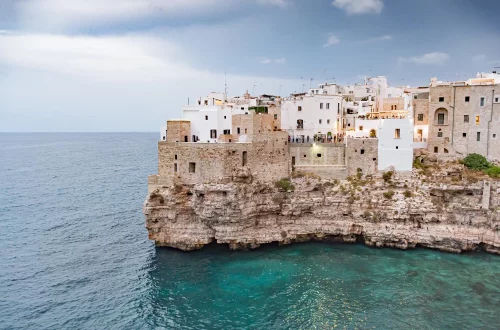
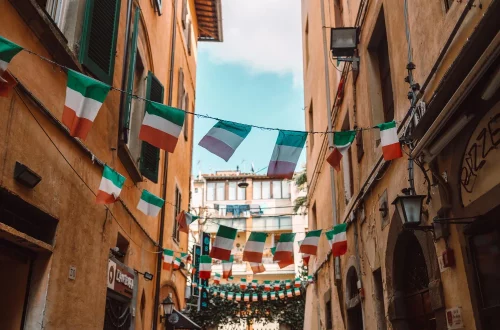



Italian cuisine is a tapestry of regional traditions shaped by geography, climate, and centuries of local customs. From the alpine dishes of Trentino-Alto Adige to the coastal flavors of Sicily, each region offers its own culinary identity.
This diversity is central to the authenticity of Italian food, which thrives on local ingredients and time-honored techniques.
Italian cheeses with protected designation of origin (DOP)
Italy is renowned for its cheeses, many of which carry the DOP (Denominazione di Origine Protetta) label. This certification ensures that a product is made in a specific region using traditional methods and local ingredients.
Some of the best known products carrying the DOP are:
- Parmigiano Reggiano (Emilia-Romagna): Made from raw cow’s milk, it is aged for a minimum of 12 months to develop its distinctive flavor.
- Gorgonzola (Lombardy and Piedmont): Gorgonzola PDO is a historic blue cheese from northern Italy, available in mild dolce and bold piccante varieties, both made from pasteurized cow’s milk and aged to develop rich flavor.
- Pecorino Toscano (Tuscany): Pecorino Toscano DOP is a semi-hard sheep’s milk cheese from central Italy, aged for at least 120 days and known for its rich, aromatic flavor and olive paste-coated rind.
- Mozzarella di Bufala Campana (Campania and Lazio): Mozzarella di Bufala Campana DOP is a creamy white cheese made from fresh buffalo milk in Italy.
These cheeses reflect their regional terroir, and their DOP status guarantees authenticity and quality.
Take advantage of specialized assistance to secure your passport for a borderless future.
Traditional Italian Salumi with IGP status
Italy’s cured meats (salumi) are equally diverse, with many holding IGP (Indicazione Geografica Protetta) certification. This label ensures that at least one phase of production occurs in a specific geographic area.
- Prosciutto di Parma (Emilia-Romagna): a dry-cured ham naturally aged in the fragrant air of Parma’s hills, resulting in its signature sweetness and global acclaim.
- Mortadella Bologna (Emilia-Romagna): a smooth, aromatic pork sausage from Emilia-Romagna, made through a careful process of seasoning, cooking, and cooling.
- Finocchiona (Tuscany): a traditional Tuscan salami flavored with fennel, valued for its historic roots and certified quality.
These salumi showcase Italy’s mastery of preservation and flavor, rooted in regional heritage and strict production standards.
Italian cuisine: Principles for composing an authentic tasting board
Organizing a wine tasting requires thoughtful planning, whether it’s a professional event, a themed evening at a wine bar, or a casual gathering among friends. The key is to define your audience and choose a clear theme—be it regional wines, seasonal selections, or a unique concept like a horizontal tasting of a single vintage across different producers.
Selecting the right wines is crucial, and understanding your guests’ preferences helps tailor the experience. Structure the tasting from lighter to fuller-bodied wines, ending with dessert varieties, and ensure each guest has a clean glass for every sample to preserve aromas and flavors.
Enhancing the atmosphere with soft music and a comfortable setting adds to the overall enjoyment.
Take advantage of specialized assistance to secure your passport for a borderless future.
Equally important are the accessories and food pairings. Equip your space with proper wine glasses, corkscrews, and tasting kits that include note cards and evaluation grids. Use stemmed glasses to maintain wine temperature and consider decanters, aerators, and ice buckets for optimal service.
Complement the wines with suitable foods—cheeses, cured meats, baked goods, or light dishes—either before or after the tasting to balance alcohol intake and elevate the flavors. Always inform guests if food will be served to avoid empty stomachs, and ensure there’s enough wine for everyone, estimating one bottle per 7–10 tasters.
With careful preparation and a touch of creativity, your wine tasting can become a memorable and refined experience
Sources and certifications of authenticity
To ensure you’re selecting genuine Italian products, look for official seals and certifications. We’ve already introduced DOP and IGP, but here are three other important laws and institutions to know about:
- MIPAAF: The Italian Ministry of Agricultural, Food and Forestry Policies, headquartered at the Palazzo dell’Agricoltura in Rome, oversees and coordinates national policies related to agriculture, forestry, food, and fisheries.
- Consorzi di Tutela: Protection consortia are voluntary organizations formed by producers within specific sectors. Their main role is to safeguard, promote, and enhance DOP and IGP certified products as a shared cultural and economic asset.
- EU Regulation No 1151/2012: establishes the legal framework for protecting and promoting quality agricultural products and foodstuffs in the European Union.
Italy’s culinary richness lies in its regional diversity, and tasting boards offer a delicious way to explore that heritage. By selecting certified cheeses and salumi, balancing flavors and textures, and honoring traditional pairings, you create an experience that’s both educational and indulgent.
Whether for entertaining guests or savoring a quiet evening, an Italian tasting board is a celebration of culture, craftsmanship, and the timeless joy of good food.