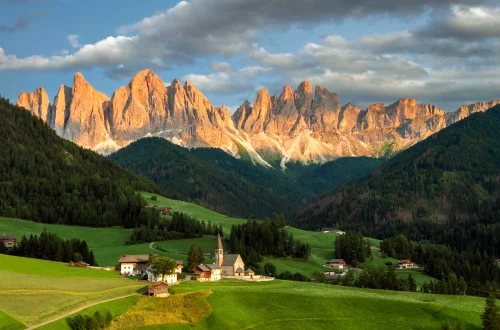
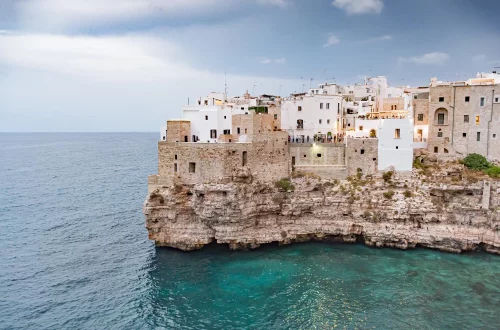
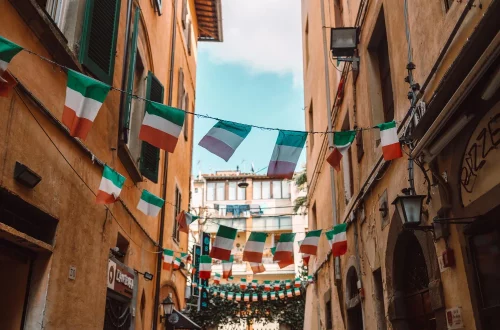



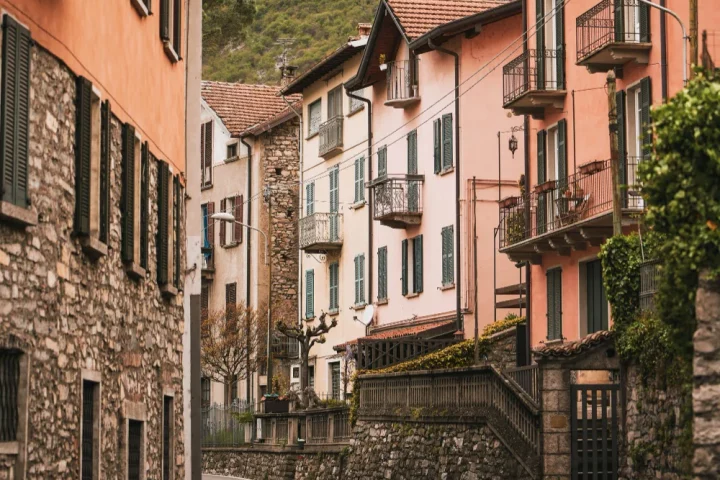
Small towns possess a kind of magic that large cities often struggle to replicate. Their charm lies not in grand monuments or bustling avenues, but in the quiet details that reveal centuries of history, culture, and human connection. These places invite travelers to slow down, observe, and appreciate authenticity—something increasingly rare in a fast‑paced world. Whether perched on a hilltop, nestled between vineyards, or overlooking the sea, small towns offer a glimpse into a lifestyle shaped by tradition, community, and the natural landscape that surrounds them.
Without further ado, let’s explore the 7 most beautiful Italian towns.
Assisi, Perugia
Assisi, in the Umbria region of central Italy, is a historic hill town best known as the birthplace of St. Francis and a major Catholic pilgrimage site. Originating from the ancient town of Assisium, it features medieval streets, walls, and landmarks such as the Basilica of San Francesco, home to renowned Early Renaissance frescoes by Giotto, Cimabue, and others. The town also holds important sites linked to St. Clare, including the Basilica of Santa Chiara. Surrounded by the scenic slopes of Monte Subasio, Assisi combines deep religious significance with a rich architectural heritage and a steady flow of pilgrims and tourists.
Neive, Piedmont
Neive has Roman origins and preserves a medieval historic center with stone streets, ancient palaces, and the Monastery Tower, the only remaining part of a former Benedictine monastery. Its highlights include the Casaforte of the Counts Cotti di Ceres, residence from the 13th century, Piazza Italia with the Town Hall and the Clock Tower, as well as historic churches and chapels. Surrounded by hills and vineyards that produce excellent wines, the village also offers winery visits and is home to the Casa della Donna Selvatica Museum, dedicated to the traditional local grappa.
Albori, Campania
A hilltop village on the Amalfi Coast, it is known for its colorful stone houses, lemon‑tree terraces, and the 17th‑century Church of Santa Margherita di Antiochia, which overlooks the Gulf of Salerno and houses frescoes by Belisario Corenzio. Its main square is decorated with vibrant majolica tiles crafted by master potters and local students, reflecting the town’s artistic heritage. From the square, a scenic path leads to the chapel of Santa Margherita and continues toward the hamlet of Iaconti, offering sweeping 360‑degree views of the surrounding landscape.
San Leo, Emilia-Romagna
San Leo, once part of Le Marche until 2009 and now in Emilia‑Romagna, is a striking hilltop town long admired for its dramatic setting and rich history. Originally known to the Romans as Mons Feretrius, it later became home to the stonemason Leo and his companion Marino, key figures in the region’s early Christianization. The town rose to prominence in the Middle Ages under the Montefeltro family and was later contested by powerful dynasties before joining the Papal States in 1631. Celebrated by Umberto Eco as “the most beautiful town in Italy,” San Leo is famed for its imposing fortress and historic churches, making it a memorable excursion from northern Le Marche.
Tropea, Calabria
Tropea, often called the jewel of Calabria, is a historic town on the Costa degli Dei, famous for its stunning beaches, charming old village, and celebrated Calabrian cuisine. With origins dating back to the Neolithic era and surrounded by myths—such as being a gift from Zeus to Hercules—Tropea was strategically developed by the Romans 60 meters above sea level to defend against invasions. Today, it is one of Italy’s most beautiful villages, recognized with the Blue Flag for sustainability, and thrives as a major tourist destination thanks to its breathtaking coastline, rich history, and vibrant local culture.
Monte Sant’Angelo, Puglia
Monte Sant’Angelo, located on the southern slope of the Gargano promontory in Puglia, is a historic town that developed around the Sanctuary of Saint Michael, founded around 490 AD on the site where the archangel is said to have appeared. The sanctuary features bronze doors crafted in Constantinople and a 13th‑century octagonal bell tower. The town also preserves notable landmarks such as the Norman‑Aragonese castle ruins and the 12th‑century Rotari Tomb, likely a former baptistery. A major medieval pilgrimage center, Monte Sant’Angelo today relies on tourism, agriculture, livestock, and textiles, and has a population of about 13,600.
Bassano in Teverina, Lazio
Bassano in Teverina is a small medieval village in northern Lazio, set on a ridge overlooking the Tiber Valley and rooted in the ancient Etruscan and Roman region of Tuscia. Enclosed by historic walls, it features stone houses, arched lanes, and notable landmarks such as the Church of Santa Maria dei Lumi with its Renaissance frescoes and the village’s distinctive Clock Tower. With around 1,300 residents, it sits between Viterbo and Orte, offering easy access to the historic Tuscia countryside and nearby attractions like the Bomarzo Gardens.
Italy’s small towns remind us that beauty often thrives in the quiet corners of a country, far from the crowds and grand monuments. From the spiritual atmosphere of Assisi to the vineyard‑lined hills of Neive, the cliffside charm of Tropea, and the medieval mystique of San Leo and Monte Sant’Angelo, each village offers its own blend of history, culture, and breathtaking scenery. These places preserve traditions that have shaped local life for centuries, inviting travelers to slow down and experience Italy in its most authentic form. Whether you’re drawn to sacred sites, coastal views, ancient architecture, or simply the pleasure of wandering through stone‑paved streets, Italy’s small towns offer unforgettable journeys into the heart of the country’s heritage.