

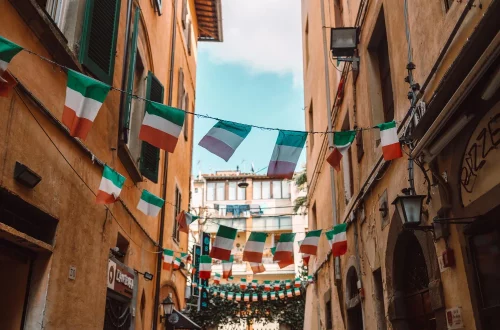




The Italian diaspora refers to the vast movement of Italians to different parts of the world, particularly during the 19th and 20th centuries. Millions of Italians left their homeland, seeking economic opportunities, escaping political turmoil, or following family networks abroad. This migration shaped communities in countries such as the United States, Argentina, Brazil, Canada, and Australia, where Italian culture remains deeply ingrained.
Despite the geographical distance, Italians abroad have maintained a strong sense of identity, fostering a connection to their roots through traditions, language, and citizenship claims. The diaspora represents one of Italy’s greatest cultural legacies, influencing global perceptions of Italian heritage while contributing to economic and political ties between Italy and its expatriate communities.
Preservation of cultural traditions beyond borders
One of the most remarkable aspects of the Italian diaspora is its commitment to preserving traditions, often adapting them to local contexts while retaining authenticity. Many communities continue to celebrate religious festivals, such as the Festa di San Gennaro in New York or the Festa de San Vito in São Paulo, maintaining cultural ties to Italy.
Beyond festivities, expatriates have formed clubs, associations, and language schools to promote Italian heritage. These groups help pass down customs to younger generations, ensuring a continued connection to Italy. Culinary traditions also play a major role, with Italian food becoming one of the world’s most influential cuisines. Dishes like pasta, pizza, and risotto have become global culinary staples, featured on the menus of top restaurants worldwide.
The role of language in Italian identity abroad
Language is a fundamental pillar of identity, yet its preservation among Italian descendants has faced challenges. While early migrants spoke dialects rather than standard Italian, subsequent generations struggled to maintain fluency as integration into new cultures took priority.
Nevertheless, efforts to preserve Italian as a heritage language remain strong. Communities establish Italian language schools, and families often encourage children to learn Italian to reinforce their cultural background. The Italian government also supports programs promoting language education abroad, recognizing its role in strengthening cultural ties between Italy and its diaspora.
Intergenerational transmission of identity
The preservation of Italian heritage abroad relies heavily on intergenerational transmission, ensuring cultural identity remains strong across generations. Many descendants take great pride in their Italian ancestry, deepening their connection through genealogy research, which has become more accessible with online platforms, as well as through family stories passed down over time. Grandparents and parents play a vital role, instilling traditions, values, and historical narratives that keep Italian customs alive.
Connection with Italy through citizenship, travel, and digital networks
In recent years, there has been a significant increase in interest in Italian citizenship by descent, as many individuals seek to reconnect with their heritage and legal status. Despite recent legislative changes imposing new restrictions, a substantial number of descendants continue to pursue citizenship recognition.
Additionally, modern technology has made it easier to reconnect with Italian roots, as online communities provide access to historical records and guidance on citizenship applications. Young Italians abroad also engage in cultural exchange programs or travel to Italy, deepening their understanding of their ancestral land and solidifying their identity as part of the Italian global community.
The symbolic importance of the diaspora for Italy
Beyond influencing culture abroad, the Italian diaspora plays a significant role in Italy’s diplomatic and cultural strategies. The government acknowledges the economic and political contributions of expatriates, providing representation through AIRE (Registry of Italians Residing Abroad) and granting voting rights in Italian elections.
Moreover, Italy benefits from soft power diplomacy, where its diaspora enhances cultural visibility and influence worldwide. From cuisine to fashion, art, and innovation, Italians abroad continue to elevate Italy’s presence, reinforcing its status as a global cultural leader.