

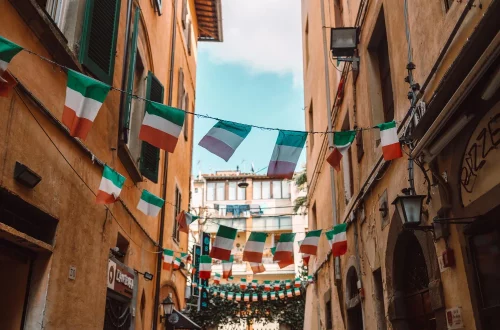




Work culture in Italy is shaped by a strong emphasis on human connection. Compared to other countries, Italian workplaces often blend professionalism with warmth, creating an environment where relationships matter as much as results. For anyone working with Italians or within Italian companies, understanding these cultural nuances is essential. They influence everything from daily routines to leadership styles, and they reflect the broader Italian way of life, where history, family, and social bonds play a central role.
The role of interpersonal relationships
First of all, in order to feel comfortable working in Italy, learning Italian is essential. English is not widely spoken and locals often prefer their native language. Preparing before arrival and practicing daily in both social and professional settings helps integration.
Italian workplaces often follow a strict hierarchy in which senior professionals—valued for both their skills and personal qualities—make the final decisions. Employees are encouraged to share opinions during meetings, though recognition typically goes to the highest‑ranking person present. In family businesses, decision‑making is concentrated among relatives, while startups tend to adopt a flat structure worldwide, giving all team members an equal voice and share of credit.
Work–life balance in Italy
Italians place great value on maintaining a healthy balance between professional responsibilities and personal life. “La Dolce Vita” isn’t found in the office, and that’s a key aspect of Italian work–life culture. This cultural priority is reflected in work schedules, which often include longer lunch breaks.
Take advantage of specialized assistance to secure your passport for a borderless future.
Punctuality and productivity in the Italian context
In Italy, unlike in U.S. culture, punctuality is often treated with a relaxed attitude, and it’s common for people to arrive a bit late to appointments or for meetings to start after the scheduled time. This casual approach is part of the culture and shouldn’t be seen as disrespectful. That said, foreign professionals are expected to arrive on time—or even slightly early—to show courtesy and professionalism.
In Italian offices, the relaxed lifestyle gives way to a more formal environment where hierarchy is respected and hard work is expected, while close ties with managers are also encouraged. Mastery of Italian and elegant dress are key expectations that reflect cultural values. Standard working hours run from 9:30 to 18:30, but with long lunch breaks—often up to two hours—employees typically finish their day closer to 19:30 or 20:00.
Workplace interactions
In Italian business culture, meetings begin with exchanging business cards politely, followed by small talk before formal discussions. Professional attire is expected to be elegant, conservative, and well‑tailored, with careful attention to grooming and accessories—there are no “casual Fridays” in Italy. Gift‑giving is rare but thoughtful items like wine or chocolates may be offered at the close of a deal, while flowers are best avoided. Meetings are typically relaxed, may start late, and often mix formal dialogue with lively debate, punctuated by coffee breaks. Respectful greetings, patience, and a courteous follow‑up message are key to leaving a positive impression.
For anyone working with Italians or within Italian companies, understanding these cultural traits is essential. They shape daily routines, influence decision‑making, and define the way success is measured. More than just professional practices, Italian work culture embodies the country’s broader values—creativity, family, tradition, and respect.