


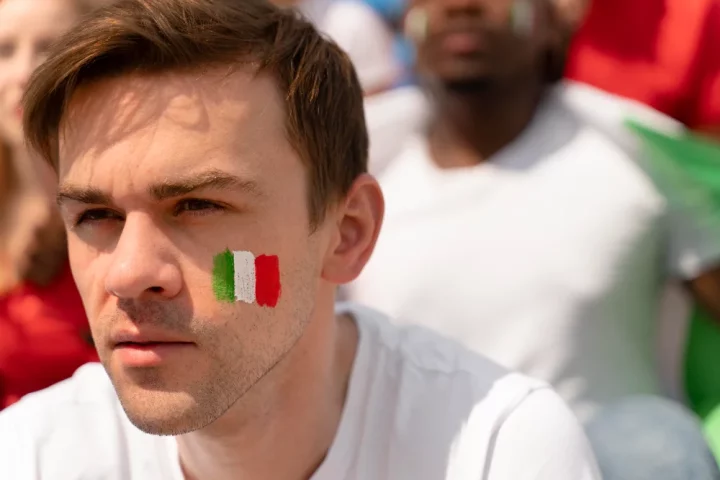
Sports occupy a central place in contemporary Italian society, shaping not only leisure and entertainment but also national identity, cultural expression, and social cohesion. From the excitement of football–or soccer, as Americans call it– to the elegance of fencing and the thrill of motorsport, Italians embrace sports as a reflection of their collective spirit.
A historical journey: the evolution of sports in Italy
The development of sports in Italy is rooted in centuries of tradition. Ancient Rome already had a strong culture of athletic spectacle, with gladiatorial games, chariot races, and public competitions drawing massive crowds. While these events were very different from modern sports, they established a cultural precedent: athletic performance as a form of public celebration and civic identity.
In the late 19th and early 20th centuries, Italy began to formalize its modern sports institutions. The founding of national federations, the spread of organized clubs, and the rise of mass media helped shape a new sporting culture. The early 1900s saw the birth of iconic football clubs, the establishment of cycling races such as the Giro d’Italia (first held in 1909), and the emergence of motorsport as a national passion.
Major international events also played a crucial role in shaping Italy’s sporting identity. The 1934 and 1938 FIFA World Cup victories, the 1960 Rome Olympics, and the 1982 and 2006 World Cup triumphs became defining moments that united the country and reinforced the symbolic power of sports. These events were cultural milestones that strengthened Italy’s sense of unity and pride.
Today, Italy’s sports landscape is a blend of tradition and innovation. Historic clubs coexist with modern training centers, and long‑standing competitions continue to thrive alongside new sporting trends. The evolution of sports in Italy reflects the country’s ability to honor its past while embracing contemporary forms of athletic expression.
Football: the heartbeat of Italian life
If one sport defines Italy more than any other, it is unquestionably football. The game is woven into the rhythm of daily life, shaping conversations, media coverage, and social rituals. From small towns to major cities, football is a shared passion that transcends age, class, and region.
Italian football culture is built on two pillars: the legendary clubs and the national team. Clubs such as Juventus, AC Milan, Inter Milan, Roma, Napoli, and Fiorentina are symbols of local identity and pride. Their histories, rivalries, and victories form part of the collective memory of millions of Italians. Match days transform cities: streets fill with fans, cafés broadcast games, and entire communities come together to support their team.
The national team, the Azzurri, holds an even deeper emotional significance. Its World Cup victories in 1934, 1938, 1982, and 2006, along with the Euro 2020 triumph, are moments etched into the country’s cultural consciousness. These victories are celebrated not only as sporting achievements but as expressions of national unity and resilience.
The last time an Italian team stood at the top of Europe was in 2010, when Internazionale Milano won the Champions League. Italians have been waiting a long time to see another team reach that level, but Inter has come close twice—in the 2024/2025 and 2022/2023 seasons.
Football also influences Italian media, fashion, and social life. Newspapers dedicate extensive coverage to matches and player stories, while football chants, colors, and symbols appear in festivals, art, and everyday conversation. For many Italians, football is not just a sport—it is a way of life.
Take advantage of specialized assistance to secure your passport for a borderless future.
Beyond football: other sports that shape Italian culture
While football dominates the national spotlight, Italy boasts a rich tradition in many other sports that contribute to its cultural identity.
Cycling
Cycling holds a special place in Italian hearts, thanks to historic races like the Giro d’Italia. This iconic event transforms the country into a moving celebration, passing through mountains, villages, and cities. Legendary cyclists such as Fausto Coppi and Gino Bartali became national heroes.
Motorsport
Italy’s passion for speed is embodied in its motorsport legacy. Ferrari, Ducati, and iconic circuits like Monza have shaped global racing history. Formula 1 and MotoGP attract massive Italian audiences, and drivers such as Alberto Ascari and Valentino Rossi have become cultural icons.
Fencing
Fencing is one of Italy’s most successful Olympic sports, with a long tradition of excellence. Italian fencers are known for their technical mastery and elegance, and the sport reflects the country’s appreciation for precision, discipline, and artistry.
Iconic sporting events and traditions
Italy’s sporting calendar is filled with events that carry deep cultural and social significance. The Palio di Siena, a historic horse race dating back to medieval times, is a vivid example of how sport and tradition intertwine.
The Giro d’Italia, Formula 1 Italian Grand Prix, Venice Marathon, and major football derbies such as the Derby della Madonnina (Milan) or Derby della Capitale (Rome) are celebrations that bring communities together.
These traditions highlight the symbolic power of sports in Italy. They reinforce social bonds, preserve cultural heritage, and create shared experiences that define what it means to be Italian.