

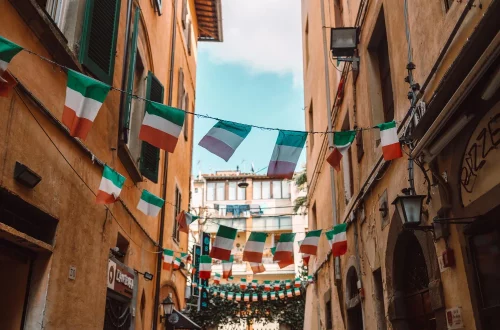




Italian design is more than a visual aesthetic—it’s a cultural expression, a philosophy, and a driving force behind some of the world’s most iconic creations. From sleek furniture and stylish automobiles to groundbreaking architecture and graphic design, Italy’s design legacy is deeply rooted in history, craftsmanship, and innovation. This article explores the essence of Italian design, its foundational principles, historical milestones, and its impact on contemporary creative industries.
Introduction to Italian design
Italy has long been recognized as a global leader in design, seamlessly blending centuries of artistic tradition with cutting-edge innovation. From the Renaissance masterpieces of Florence to the modern design studios of Milan, the country has cultivated a rich creative environment that continues to inspire architects, designers, and artisans. This legacy is shaped by iconic figures like Gio Ponti and Alberto Alessi, whose work helped define Italy’s unique design language—one that values aesthetics, craftsmanship, and a deep cultural connection. Events like the Salone del Mobile further reinforce Italy’s status as a design epicenter, drawing thousands of professionals and enthusiasts each year.
What truly sets Italian design apart is its ability to fuse historical depth with technological progress. Beyond exhibitions and accolades, Italy’s design culture thrives on the interplay between heritage and innovation. Its innate sense of style, commitment to quality, and openness to experimentation have transformed design into a national institution—admired, studied, and emulated around the world. Whether in fashion, furniture, or industrial design, Italy continues to shape global trends while honoring the timeless principles that define its creative spirit
Core principles of Italian design
Italian design is defined by a harmonious blend of elegance, tradition, and innovation. Its color palette draws from the natural landscapes of Tuscany and Umbria, favoring warm neutrals like terracotta and ochre, balanced with classic whites and enriched by bold accent tones. Materials play a central role, with luxurious choices such as Carrara marble, travertine, terrazzo, velvet, silk, and gold accents conveying both refinement and authenticity.
Attention to detail is a hallmark of Italian interiors, where artisanal techniques—like hand-carved woodwork, custom mosaics, and ornate moldings—elevate the aesthetic. Classical art, especially from the Renaissance, adds depth and personality, while thoughtful placement ensures visual harmony. Italian design also embraces minimalism with opulence, favoring clean lines and uncluttered spaces enhanced by standout elements. Altogether, these principles reflect Italy’s enduring commitment to craftsmanship, beauty, and cultural richness.
Key historical milestones and influential movements
Between 1945 and the early 1980s, Italy experienced a golden era in design, largely shaped by its architects—from post-war reconstruction efforts to the bold expressions of the Memphis collective. Here are some of the key events:
- Post-War Reconstruction (1945–1954)
American exhibitions like Italy at Work promoted Italian craftsmanship abroad. The 1951 Triennale di Milano emphasized the “Unity of the Arts,” blending architecture, design, and craft.
- Industrial Growth and Furniture Innovation (1950s)
Designers like Gio Ponti fused modern aesthetics with traditional techniques. Competitions such as Selettiva di Cantù encouraged innovation among architects.
- Luxury and Consumerism (1960s)
Murano glassmakers like Alfredo Barbini redefined luxury. The Neo-Liberty movement embraced ornate styles, reviving Art Nouveau’s decorative style.
- Radical Design and Activism (1970s)
In early 1970s Italy, amid political unrest and intellectual ferment, the Global Tools movement emerged as a radical design initiative. It aimed to merge the visionary ideals of Radical Architecture with alternative living concepts inspired by Victor Papanek and Stewart Brand. Rejecting institutional constraints, its founders created experimental labs to foster creative freedom and develop new tools for a rapidly globalizing world.
- Postmodernism and Memphis (1980s)
Studio Alchymia and the Memphis Group merged artisanal methods with bold, unconventional design, symbolizing Italy’s postmodern spirit.
Take advantage of specialized assistance to secure your passport for a borderless future.
Applications of Italian design
Italian design spans a wide range of disciplines, each reflecting the country’s commitment to excellence and creativity.
- Furniture and lighting design: Italy is home to renowned brands like Poltrona Frau, Cassina, and Flos, which produce elegant and functional pieces that define modern interiors.
- Industrial and automotive design: From the sleek lines of Ferrari and Lamborghini to the ergonomic brilliance of Olivetti typewriters, Italian design has shaped global standards in engineering and aesthetics.
- Interior design and architecture: Italian architects blend historical elements with contemporary innovation, creating spaces that are both timeless and cutting-edge.
- Graphic and communication design: Italy’s visual culture is reflected in its typography, branding, and editorial design, with studios and designers crafting compelling narratives through imagery and layout.
Contemporary Italian design
Today, Italian design continues to evolve, embracing new trends and technologies while staying true to its roots. Designers explore digital tools, smart materials, and interactive experiences, redefining how we engage with objects and spaces.
Sustainability is a growing focus, with many designers adopting circular economy principles, reducing waste, and prioritizing ethical production. This shift reflects a broader commitment to environmental and social responsibility.
In a competitive global landscape, Italian design maintains its edge through collaboration, education, and innovation. Design schools like Politecnico di Milano and Domus Academy nurture new talent, while international partnerships expand Italy’s influence across borders.
Despite challenges, Italian design remains a beacon of creativity, blending artistry with functionality, tradition with progress. It continues to inspire, adapt, and lead—proving that design is not just about objects, but about shaping the way we live.