




Italian olive oil holds a special place in global gastronomy, not only for its unmistakable flavor but also for the millennia of tradition behind it. Olive cultivation has shaped Italy’s landscapes, economies, and culinary identity since ancient times, and today the country remains one of the world’s most respected producers.
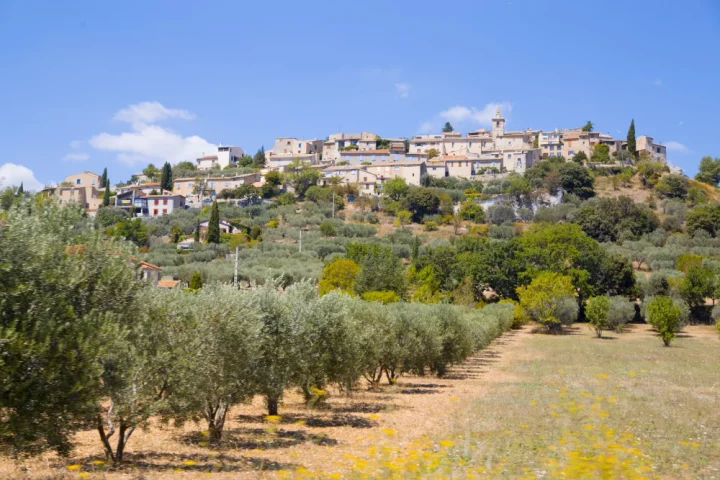
From the rolling hills of Tuscany to the sun‑drenched groves of Puglia and the volcanic soils of Sicily, each region contributes its own character and craftsmanship. Because of this diversity, choosing a high‑quality Italian olive oil requires more than simply grabbing a bottle from the shelf—it means understanding origin, production methods, sensory qualities, and the information hidden on the label.
With the right knowledge, consumers can confidently select oils that reflect Italy’s heritage and deliver exceptional flavor.
Major producing regions and Italian denominations
Southern Italy dominates the country’s olive oil production, with Puglia and Calabria responsible for the vast majority—together producing roughly two‑thirds of all Italian olive oil. Additional contributions come from Sicily, Campania, Abruzzo, Lazio, Tuscany, and Umbria, each offering oils with distinct flavor profiles shaped by their unique terroirs.
Recent studies highlight Puglia as the clear leader, accounting for well over half of Italy’s total output and boasting an extraordinary density of olive trees, while Sicily’s share appears slightly higher in newer data. This regional diversity explains why some Italian oils excel as finishing oils for dipping or salads, while others are better suited for cooking.
To protect this diversity and guarantee authenticity, Italy uses two important certifications: DOP (Protected Designation of Origin) and IGP (Protected Geographical Indication). A DOP olive oil must be grown, processed, and bottled within a specific region following strict rules that preserve traditional methods.
A IGP oil has slightly more flexible requirements but still guarantees that at least one stage of production occurs in the designated area. These seals are powerful indicators of traceability and quality, helping consumers avoid generic blends and ensuring that the oil truly reflects its regional identity.
Take advantage of specialized assistance to secure your passport for a borderless future.
How to read and understand the label
Understanding label terms—such as grade type, harvest date, origin, extraction method, and certifications—helps consumers identify oils that are genuinely fresh and authentic. If you’re looking for Italian Extra Virgin Olive Oil, the most important details to check are the harvest date, the type of packaging, and whether the bottle clearly states “100% Italian” origin.
Extra virgin olive oil is the highest grade, with low acidity and no defects, while virgin and refined oils have progressively lower sensory quality. Labels that clearly state the harvest date, specific region of origin, and “cold‑extracted” methods usually indicate higher standards.
Certifications like PDO and PGI add another layer of trust by verifying that the oil comes from a protected region and meets strict production rules. Oils that provide transparent information about their origin, production, and extraction are far more reliable than those relying on vague marketing terms.
By focusing on these key details, shoppers can avoid adulterated or low‑quality products and choose olive oils that deliver superior flavor, aroma, and nutritional value.
Sensory characteristics and tasting
Italian olive oils can vary widely in aroma and flavor. A Ligurian sample, for instance, will show clean, green notes of arugula, green tomato, and olive leaf, and a smooth, nut‑like taste, while a Sicilian oil will stand out for its complexity, offering intense leafy, vegetal aromas and a more bitter, peppery profile.
Together, these examples illustrate Italy’s exceptional diversity in olive oil, rooted in centuries of cultivation, ancient agricultural knowledge, and the country’s unmatched biodiversity of olive varieties.
Packaging and proper storage
Even the best olive oil can deteriorate quickly if stored improperly. Light, heat, and oxygen are its greatest enemies. For this reason, high‑quality Italian oils are typically sold in dark glass bottles, tins, or opaque containers that protect the oil from UV exposure. Clear plastic bottles should be avoided, as they accelerate oxidation and may leach unwanted compounds.
At home, olive oil should be kept in a cool, dark place, away from stoves, windows, or warm appliances. For households that use olive oil sparingly, choosing smaller bottles ensures freshness and reduces waste.
Take advantage of specialized assistance to secure your passport for a borderless future.
Frequently asked questions (FAQ)
How can I verify if an Italian olive oil is truly DOP or IGP?
Check the official seal on the label and look for the specific production area. Each DOP or IGP oil must list its region and follow strict regulations. You can also verify the certification through Italian or EU databases.
What is the ideal acidity level for Italian extra‑virgin olive oil?
Extra‑virgin olive oil must have acidity below 0.8%. Many premium Italian oils fall between 0.2% and 0.4%, indicating careful handling and freshness.
How do I recognize high‑quality aroma and flavor in Italian olive oil?
Look for fresh olive aromas. Avoid oils that smell flat, greasy, musty, or rancid.