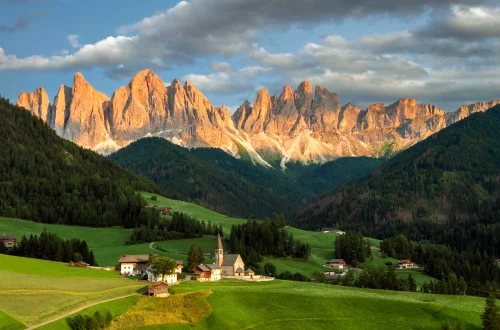
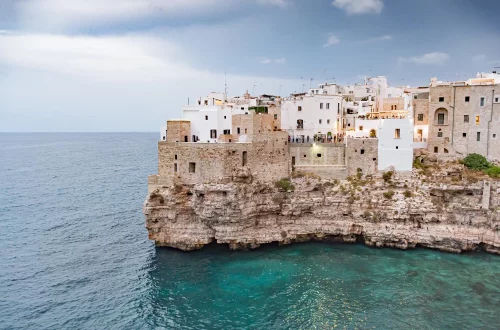
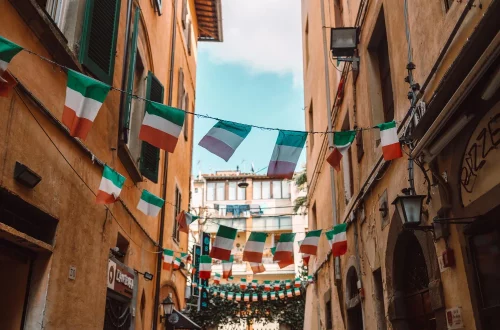



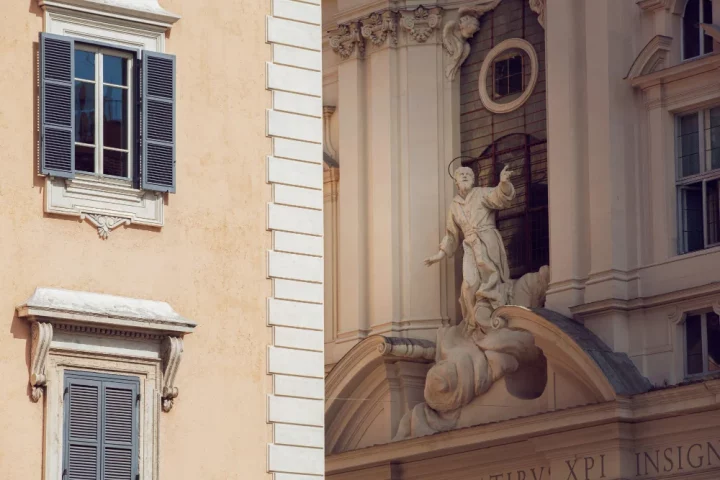
Italian architecture is one of the most celebrated in the world, admired for its beauty, innovation, and cultural depth. From the grandeur of Roman monuments to the elegance of Renaissance palaces and the boldness of modern design, Italy’s built environment reflects centuries of history and artistic achievement. Scholars study it for its influence on global architectural traditions, tourists flock to admire its iconic landmarks, and art lovers cherish its ability to blend functionality with aesthetic brilliance. Italian architecture is about identity, heritage, and the enduring dialogue between past and present.
Origins of Italian architecture
Italy’s architectural heritage stretches back to the Classical era, when the Romans, influenced by Greece, developed monumental structures using innovative cement-based concrete. Iconic landmarks such as the Pantheon, with its reinforced dome, and the Colosseum, capable of hosting up to 80,000 spectators, showcase the grandeur and durability of Roman design. Key features like columns, arches, and vaulted ceilings became defining elements of this period, leaving a lasting imprint on Italy’s cultural identity.
During the Medieval period, Romanesque architecture emerged, blending Classical traditions with Byzantine basilica influences. Characterized by semi-circular arches, arcades, and brick construction, this style is evident in buildings like the Baptistery of Florence, Pisa’s marble Cathedral, and Milan’s Basilica of Sant’Ambrogio. Freestanding towers also became popular, with the Leaning Tower of Pisa standing as the most famous example, its tilt caused by an unstable foundation. These structures highlight Italy’s evolving architectural legacy across centuries.
Major styles in Italian architectural history
Byzantine
Italy’s Byzantine era signaled the start of its connection to Christianity, with numerous churches constructed during this time adorned with painted frescoes and intricate mosaics. A prime example of this artistic and spiritual heritage is the Basilica di San Vitale in Ravenna.
Gothic
Italian Gothic architecture blended Classical influence with colorful polychrome facades, frescoed interiors, and symmetrical designs. Unlike French Gothic, it favored wheel windows over rose windows and often omitted towers, relying on natural Mediterranean light as seen in Siena Cathedral.
Renaissance
The Renaissance in Italy, spanning the 14th to 17th centuries, was a golden age of art and architecture marked by symmetry, Classical-inspired features, and grand facades. Visionary figures like Leonardo da Vinci, Michelangelo, and architect Donato Bramante shaped the era, with landmarks such as St. Peter’s Basilica in Rome and Florence’s Duomo showcasing domed roofs and innovative design. Florence also became a hub of artistic brilliance, housing masterpieces like Michelangelo’s David and paintings by Botticelli and Raphael in the Uffizi Gallery, cementing the Renaissance as one of Italy’s most defining cultural periods.
Baroque
Italian Baroque architecture, born in the 17th century, emphasized grandeur, lavish detail, and dramatic light, serving the Catholic Church’s Counter-Reformation goals. Architects like Bernini and Borromini created monumental works such as St. Peter’s Basilica, while Sicily developed its own highly ornate Baroque style after the 1693 earthquake, leaving a unique legacy in cities like Noto and Palermo.
Neoclassical
By the 18th century, Neoclassicism sought simplicity and order, drawing directly from ancient Roman models. Clean symmetry, plain walls, and the use of columns characterized this style. Its refined simplicity can be admired in the white and gold interiors of Naples’ San Carlo Theatre and in Milan’s renowned Arch of Peace.
Take advantage of specialized assistance to secure your passport for a borderless future.
Italian architecture in modern and contemporary times
Modern Italian architecture diverges from the rigid stylistic traditions of earlier eras like Baroque, Renaissance, or Gothic, instead embracing individuality and innovation. While Italy is often celebrated as an exposition of historic landmarks, post–World War II structures are fewer in number and often overlooked, despite showcasing the creativity of renowned architects such as Renzo Piano and Zaha Hadid.
Iconic works and monuments
Italy is home to countless architectural masterpieces:
- Florence Cathedral (Santa Maria del Fiore): Famous for Brunelleschi’s dome, a Renaissance marvel.
- Milan Cathedral (Duomo di Milano): A Gothic masterpiece with intricate spires and statues.
- St. Peter’s Basilica in Rome: A Renaissance and Baroque triumph, blending Michelangelo’s dome with Bernini’s grand piazza.
- Piazza San Marco in Venice: A civic space surrounded by Byzantine and Renaissance influences.
- The Colosseum: A Roman amphitheater symbolizing imperial power and engineering genius.
These monuments are not only architectural achievements but also cultural symbols, embodying Italy’s history, religion, and civic identity.
Traditional materials and techniques
Italian builders valued both aesthetics and functionality. Their techniques ensured durability while creating spaces that inspired admiration. Central to Italian architectural style is the use of enduring materials that combine strength with beauty. Stones such as marble and slate are favored not only for their durability but also for their capacity to regulate indoor temperatures, ensuring comfort across the changing seasons.
Global influence of Italian architecture
Italian architecture has profoundly influenced the world. Renaissance principles spread across Europe, inspiring palaces in France and Spain. Palladian architecture, developed by Andrea Palladio, shaped English country houses and American civic buildings. Baroque styles influenced churches in Latin America, while Neoclassical ideals guided government buildings worldwide.
This global reach demonstrates how Italian architecture transcended borders, becoming a universal language of beauty and proportion.
Notable Italian architects
Throughout history, Italian architects have left an indelible mark:
- Filippo Brunelleschi: Pioneer of Renaissance architecture, creator of Florence’s dome.
- Michelozzo di Bartolomeo: Renaissance architect, designed Palazzo Medici Riccardi and San Marco church in Florence.
- Pirro Ligorio: Vatican architect, known for the Casino of Pius IV and restoration projects.
- Gian Lorenzo Bernini: Baroque genius, sculptor, and architect of St. Peter’s Square.
- Francesco Borromini: Innovator of dynamic Baroque compositions.
- Renzo Piano: Contemporary architect, blending tradition with modern design.
Italian architecture is a living testament to the country’s history, creativity, and cultural influence. From Roman engineering to Renaissance harmony, Baroque drama, and modern innovation, Italy’s buildings embody the evolution of human thought and artistic expression. They inspire admiration not only for their beauty but also for their ability to connect past and present.
For scholars, tourists, and art lovers alike, Italian architecture offers an endless journey of discovery—a dialogue between stone, space, and spirit that continues to shape the world.