


Festivals in Italy are more than lively gatherings—they are deeply rooted in the country’s cultural and historical identity. From religious devotion to seasonal harvests, these celebrations reflect centuries of tradition and community values. They serve as vital expressions of regional pride, preserving local customs, dialects, and culinary practices. With each region offering its own unique festivities, Italy’s calendar is filled with diverse events that showcase the richness of its heritage.
Major religious and historical festivals
Italy’s religious festivals are often tied to centuries-old traditions and local legends, blending spiritual devotion with theatrical spectacle. These events not only honor saints and sacred figures but also reinforce communal bonds and historical memory.
Carnevale di Venezia
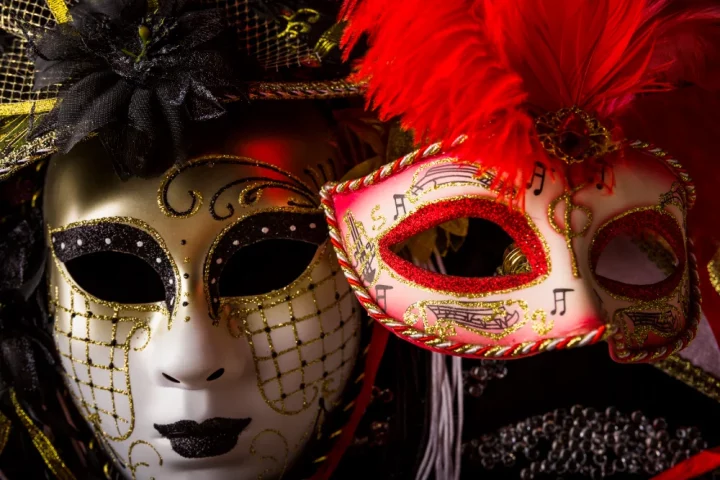
Carnevale is a vibrant Italian festival held before Lent, typically in February, with dates varying based on Easter. Celebrated across Italy—in places like Viareggio, Ivrea, and most famously Venice—it features colorful parades, elaborate costumes, and ornate masks.
The Venice Carnival dates back to the 11th century, officially recognized in 1296, and originally celebrated the end of winter and the onset of Lent. It evolved into a lavish event with masquerade balls and elaborate costumes, where masks allowed social boundaries to blur and free expression to flourish. Though often linked to Christian traditions, some scholars trace its roots to ancient pagan spring festivals. The Venetian Republic embraced Carnival as a controlled outlet for public revelry, with highlights like Fat Tuesday and Fat Thursday commemorating historical victories and fostering communal unity through symbolic rituals and satire.
Festa della Madonna Bruna (Matera)
The Festa della Madonna della Bruna, held annually on July 2nd in Matera, is a deeply symbolic and historic celebration rooted in medieval legend and religious tradition. The day begins with a dawn procession of shepherds carrying an image of the Madonna, followed by a second parade featuring the Madonna and the Child Jesus in separate carriages, symbolizing the biblical Visitation. In the evening, the images are reunited and placed on a richly decorated float that circles Piazza Duomo three times before being ceremonially destroyed in Piazza Vittorio Veneto, where locals tear it apart for good luck. The festival concludes with spectacular fireworks, marking the end of Matera’s most anticipated day.
Take advantage of specialized assistance to secure your passport for a borderless future.
Festa dei Ceri (Gubbio)
Every May 15, the city of Gubbio in Umbria celebrates the centuries-old Festival of the Candles in honor of Sant’Ubaldo, its patron saint. Dating back to at least 1160, the event features three towering wooden structures called Ceri, each dedicated to a different saint and carried by teams of strong, disciplined men known as ceraioli. The highlight is the dramatic raising of the Ceri in Piazza Grande, followed by a thrilling race through the medieval streets and up Mount Ingino to the Basilica of Sant’Ubaldo. The festival also includes races and ends with a communal feast featuring baccalà alla ceraiola, reinforcing local tradition and community spirit.
Gastronomy and harvest festivals
Italy’s food festivals celebrate the country’s agricultural bounty and culinary excellence. These events highlight local products, traditional techniques, and seasonal rhythms, drawing both locals and tourists into a shared appreciation of Italian gastronomy.
Eurochocolate (Perugia)
Eurochocolate, held every October in Perugia, is one of Europe’s largest chocolate festivals. It transforms the medieval city into a paradise for chocolate lovers, featuring a wide array of products from artisanal bars to innovative confections. The festival attracts international exhibitors and showcases chocolate-making traditions from around the world. Its economic impact is significant, boosting local businesses and tourism. With hundreds of thousands of visitors each year, Eurochocolate is a major cultural and commercial event that blends indulgence with education and entertainment.
Festa dell’Uva e del Vino (Bardolino)
Each autumn, Bardolino on Lake Garda hosts the beloved Festa dell'Uva e del Vino, a wine festival running from September 2 to October 6, 2025. Since its founding in 1929, this event has celebrated the grape harvest and Bardolino’s signature wines, offering scenic lakeside charm and vibrant festivities. Guests can enjoy tastings of Bardolino Classico, Superiore, and Chiaretto wines, savor regional dishes like lake fish and risotto, and take in live music, parades, artisan markets, and workshops. The evenings culminate in dazzling pyromusical fireworks over the lake, creating a festive and unforgettable atmosphere.
Italy’s festivals offer a window into the soul of the nation—its faith, creativity, and connection to the land. Whether through the elegance of Venetian masks, the fiery devotion of Matera’s cart burning, or the sweet aroma of Perugia’s chocolate, each celebration tells a story of identity and tradition. Exploring these events not only enriches our understanding of Italian culture but also invites us to participate in its living history.