


April 25 on the Italian calendar
Every year on April 25, Italy celebrates one of the most defining moments in its modern history. Known officially as Festa della Liberazione—Liberation Day—this national holiday marks the end of fascist rule and Nazi occupation in Italy during World War II.
This important date is not just a historical milestone; it is a symbol of Italy’s rebirth as a democratic republic.
Historical significance of April 25
April 25 marks Italy’s Liberation Day, commemorating the 1945 uprising that led to the fall of Mussolini’s fascist regime and the retreat of Nazi forces. On that day, the National Liberation Committee for Northern Italy ordered partisan groups to launch coordinated attacks, sparking a wave of liberation across major cities like Milan, Turin, and Venice.
Though the war officially ended days later, this date became a powerful symbol of resistance and the reclaiming of freedom.
The armed resistance was led by partigiani, fighters from various political backgrounds—communists, socialists, and members of the Action Party—who operated in irregular brigades. With strong support from civilians, they liberated regions even before Allied troops arrived.
Their legacy lives on through cultural tributes and the song “Bella ciao,” whose lyrics evoke the red poppy, a symbol of sacrifice and the enduring fight for liberty.
How liberation day is celebrated in Italy
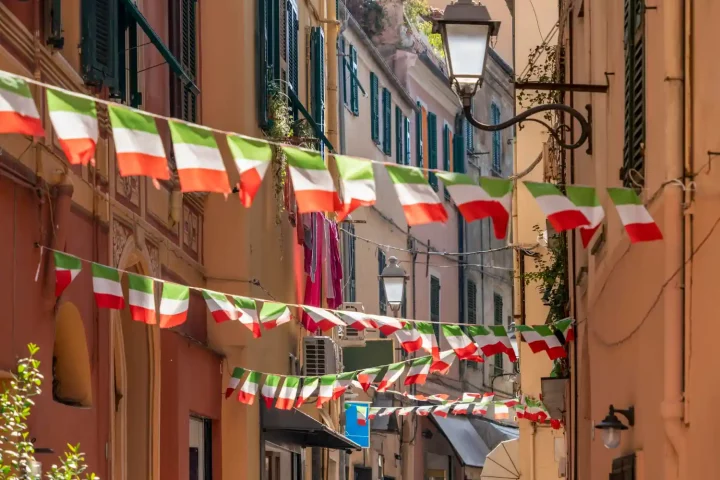
Liberation Day in Italy is marked by a blend of official ceremonies, public events, and private family traditions. Across the country, cities and towns organize commemorations that reflect both the solemnity and the hope associated with the occasion.
Political leaders often deliver speeches emphasizing the values of democracy, freedom, and unity.
In Rome, a particularly moving tribute takes place at the Altare della Patria (Altar of the Fatherland), where the President of the Republic and other high-ranking officials lay a wreath at the Tomb of the Unknown Soldier.
Additionally, beyond the official observances, Liberation Day is a time for families to come together. Many Italians use the holiday as an opportunity to enjoy springtime outings, picnics, and community festivals.
In some regions, local bands perform traditional songs of the resistance, such as Bella Ciao.
Take advantage of specialized assistance to secure your passport for a borderless future.
Relevance for Italian citizens and descendants abroad
For Italians living abroad and descendants seeking to reconnect with their heritage, Festa della Liberazione offers a powerful lens through which to understand the country’s values and historical journey.
It highlights the importance of civic engagement, the defense of human rights, and the enduring struggle against authoritarianism.
Moreover, engaging with such cultural milestones strengthens the emotional and intellectual bond with Italy. Whether through attending commemorative events, reading historical accounts, or simply sharing stories with family, descendants can cultivate a deeper sense of belonging and pride in their Italian roots.
In the context of citizenship applications, demonstrating knowledge of Italy’s history and traditions can be a meaningful way to show respect for the country’s legacy. It signals a genuine interest in becoming part of the Italian community—not just legally, but culturally and spiritually.
A day to remember, reflect, and reconnect
April 25 is more than a public holiday—it is a day of remembrance, reflection, and renewal. Festa della Liberazione invites Italians and their descendants to honor the past, celebrate the present, and commit to a future rooted in freedom and justice.