





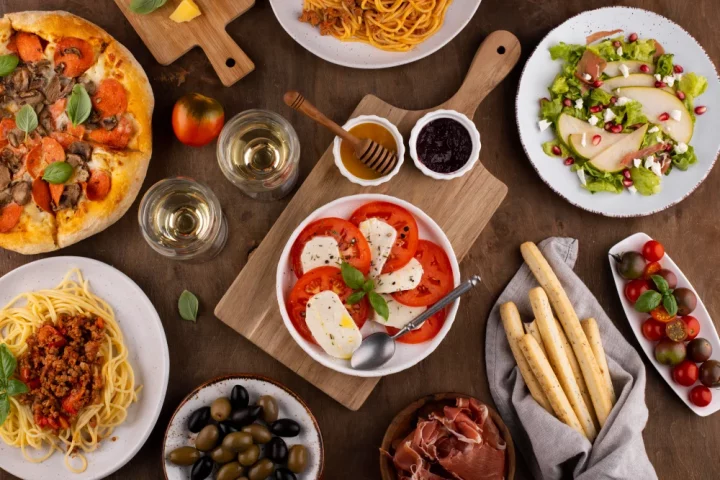
Italian cuisine is one of the most celebrated and influential culinary traditions in the world. Its historical depth, cultural symbolism, and regional diversity make it far more than a collection of recipes—it is a reflection of Italy’s geography, social customs, and centuries of evolving taste. To truly appreciate Italian food, one must look beyond the globalized versions found in American-style Italian restaurants and explore the authentic practices rooted in Italy’s towns, villages, and family kitchens.
The cultural and historical significance of Italian cuisine
Food in Italy has always been deeply intertwined with identity, heritage, and community. From ancient Roman banquets to Renaissance feasts and humble peasant meals, Italian culinary traditions have evolved alongside the country’s history. The Mediterranean climate, fertile soil, and access to both land and sea have contributed to a rich palette of ingredients, while trade routes and foreign influences—from Arab spices to French techniques—have added complexity over time.
Unlike the Americanized versions of Italian food, which often emphasize heavy sauces, oversized portions, and excessive cheese, authentic Italian cuisine values balance, simplicity, and freshness. Dishes are designed to highlight the natural flavor of ingredients rather than mask them. For example, a traditional Italian pizza features a thin crust, minimal toppings, and a focus on quality olive oil and tomatoes, in contrast to the thick, cheese-laden versions popular in the U.S.
Regional diversity and protected origins
One of the most defining features of Italian cuisine is its regionality. Each of Italy’s 20 regions boasts its own culinary identity, shaped by local climate, geography, and historical influences. Northern Italy features creamy, meat-based dishes and prized ingredients like truffles and cheeses; Central Italy emphasizes simple, pasta-driven meals with olive oil and fresh vegetables; Southern Italy showcases bold, spicy flavors, tomatoes, and seafood; while the islands of Sicily and Sardinia offer unique blends of sweet, savory, and rustic fare influenced by Arab, Spanish, and pastoral traditions.
To preserve the integrity of regional specialties, Italy has implemented legal protections such as DOP (Denominazione di Origine Protetta) and IGP (Indicazione Geografica Protetta). These designations ensure that products like Parmigiano Reggiano from Emilia-Romagna or Mozzarella di Bufala Campana from Campania are produced according to strict traditional methods and within designated geographic areas.
Take advantage of specialized assistance to secure your passport for a borderless future.
Simplicity and the power of ingredients
Italian cooking is guided by the principle of “less is more.” Rather than relying on elaborate techniques or complex flavor combinations, Italian chefs and home cooks prioritize the quality of ingredients.
Seasonality plays a crucial role in this philosophy. Ingredients like white truffles, tomatoes, and artichokes are enjoyed at their peak during specific times of the year. Beyond ingredients, Italian food reflects a way of life—meals are leisurely, multi-course experiences where pasta is a first course, not the main dish, and cappuccino is strictly reserved for breakfast.
The ritual and structure of Italian meals
In Italy, meals are more than just nourishment—they are social rituals that bring families and friends together. The traditional structure of an Italian meal reflects this cultural value. It typically begins with an antipasto (starter), followed by a primo (first course, usually pasta or risotto), a secondo (main course, often meat or fish), a contorno (side dish, usually vegetables), and finally a dolce (dessert).
This multi-course format encourages slow eating and appreciation of each dish. It contrasts sharply with the fast-paced, convenience-driven eating habits common in many American households, where meals are often rushed or eaten on the go. In Italy, even weekday lunches can be leisurely, and Sunday meals are often elaborate affairs that last for hours.
The social dimension of Italian dining reinforces bonds between generations and communities. Children learn to cook from grandparents, recipes are passed down through families, and holidays are marked by traditional dishes that carry emotional significance. Whether it’s a Christmas panettone or an Easter lamb roast, food serves as a bridge between past and present.
Italian cuisine is a living tradition—rooted in history, shaped by geography, and enriched by cultural values. Its authenticity lies not in rigid rules but in a deep respect for ingredients, regional identity, and the joy of sharing meals. To explore Italian food beyond the stereotypes is to discover a world of subtlety, diversity, and meaning. From the protected origins of regional cheeses to the seasonal simplicity of a tomato salad, every element tells a story; and in Italy, that story is always best enjoyed around a table, with good company and plenty of time.