

Importance of Italian beaches for European tourism
Italy is renowned not only for its art, history, and cuisine but also for its breathtaking coastline. Stretching for thousands of kilometers along the Mediterranean, Adriatic, and Tyrrhenian Seas, Italian beaches are considered among the most beautiful in the world. Their appeal lies in the diversity of landscapes: dramatic cliffs, golden sandy shores, hidden coves, and crystal-clear waters. During the summer months, Italy’s beaches become a magnet for tourists from across Europe and beyond, contributing significantly to the country’s tourism industry. The combination of natural beauty, cultural richness, and seaside leisure makes Italy a top destination for those seeking both relaxation and exploration.
Main coastal regions of Italy
Italy’s coastline is divided into several distinct regions, each offering unique experiences:
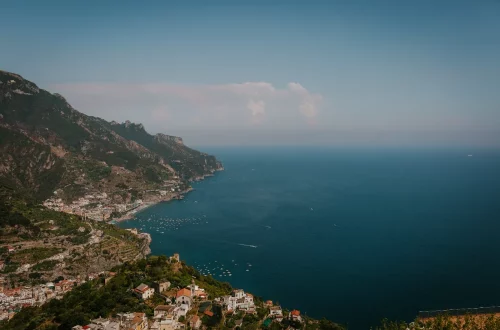
- The Amalfi Coast, on Italy’s Sorrentine Peninsula, is famed for its cliffs, bays, and charming towns like Positano, Amalfi, Ravello, and Sorrento, with local traditions such as enjoying Limoncello.
- Sardinia, the Mediterranean’s second-largest island, combines ancient nuraghe ruins with stunning towns, cliffs, and pristine beaches.
- Sicily blends beaches, rustic cuisine, Baroque landmarks, volcanic wines, and nearby islands like Lampedusa and Vulcano.
- Puglia, located in the “heel” of Italy, is a picturesque region of vineyards, olive groves, whitewashed hill towns, and sunny beaches. Beyond its scenic landscapes, it offers cultural treasures like the Baroque city of Lecce and the UNESCO‑listed trulli houses of the Itria Valley.
- Liguria, a narrow strip of land between mountains and the deep blue sea, embodies charm with its coastline, natural parks, fine wine, delicious food, and rich history, offering diverse landscapes and unique places to explore.
These regions highlight the diversity of Italy’s coastal landscapes, from dramatic cliffs to tranquil sandy shores.
Famous Italian beaches
Italy is home to some of the world’s most celebrated beaches:
- Spiaggia dei Conigli, or Rabbit Beach on Lampedusa, Sicily, is famed for its golden sand and clear waters, ranked Europe’s best beach in 2022 despite its remote location near Tunisia.
- Cala Goloritzé in Sardinia is a protected beach, famed as Italy’s most beautiful, reached by boat or a two‑hour hike.
- Atrani Beach, in Campania near Salerno, is a top-ranked Italian beach just 90 minutes from Naples. Nestled between Positano and Amalfi, the charming town of Atrani offers a timeless atmosphere, making it an ideal destination for a relaxing seaside holiday.
- Mondello Beach near Palermo is a busy summer spot with clear waters, sandy shores, beach clubs, and boat tours.
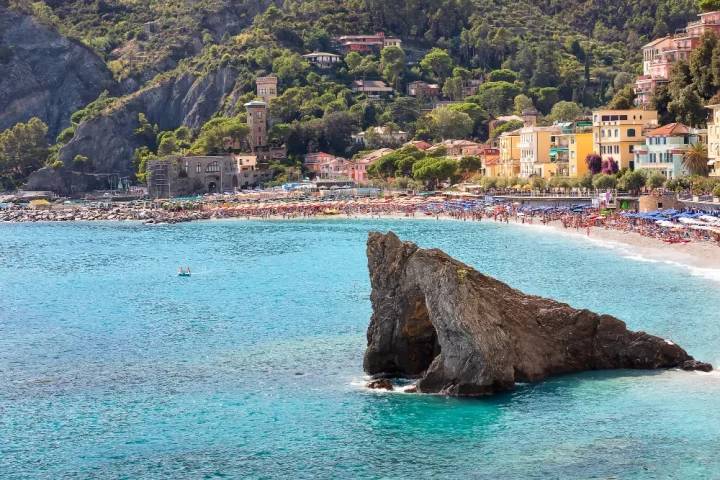
- Scoglio di Monterosso in Monterosso al Mare is a scenic beach with clear waters, amenities, and nearby dining.
These beaches are celebrated not only for their natural appeal but also for the experiences they provide, from vibrant nightlife to tranquil escapes.
Quiet and lesser-known beaches
For travelers seeking peace and solitude, Italy offers many hidden gems:
- Cala Mariolu (Sardinia): A secluded beach with crystal-clear waters, perfect for swimming and snorkeling.
- San Vito Lo Capo (Sicily): This quiet beach town, best in summer, is still undiscovered by tourists and hosts a famous couscous festival in September.
- Gargano Peninsula (Puglia): Puglia’s wild, less‑visited peninsula, with dramatic cliffs, secluded beaches, and a rustic atmosphere.
- Spiaggia di Levanto: Near Cinque Terre, this is a wide pebbly beach with inviting waters and scenic hills
These lesser-known beaches highlight Italy’s ability to cater to both mass tourism and those who prefer off-the-beaten-path destinations.
Best times to visit Italian beaches
The ideal time to enjoy Italy’s beaches depends on climate and tourist flow. Late spring (May–June) and early autumn (September) are often considered the best periods, offering warm weather, pleasant water temperatures, and fewer crowds. July and August are peak tourist months, with lively atmospheres and bustling seaside towns, but also higher prices and crowded beaches. Choosing the right season depends on whether visitors prefer vibrant social scenes or tranquil relaxation.
Differences between northern and southern beaches
Both northern and southern Italy boast beautiful beaches, with the south often more famous, yet the north offering gems like Cinque Terre, Genoa’s coast, and Adriatic spots near Venice and Trieste. The main difference is climate—northern beaches are too cold in winter but shine in summer, rivaling even the nearby French Riviera.
Italian beaches are a vital part of the country’s tourism appeal, offering a blend of natural beauty, cultural richness, and diverse experiences. From world-famous destinations like the Amalfi Coast and Sardinia to hidden gems in Puglia and Sicily, Italy’s coastline provides something for every traveler. Whether visitors seek lively seaside towns, tranquil coves, or cultural immersion, the beaches of Italy deliver unforgettable moments.
Take advantage of specialized assistance to secure your passport for a borderless future.