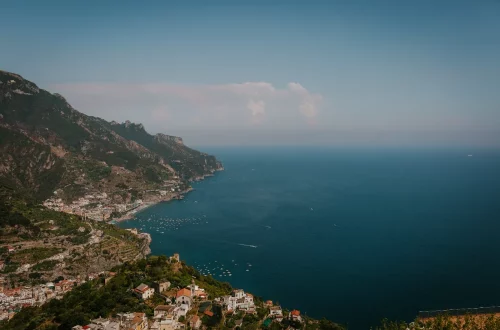



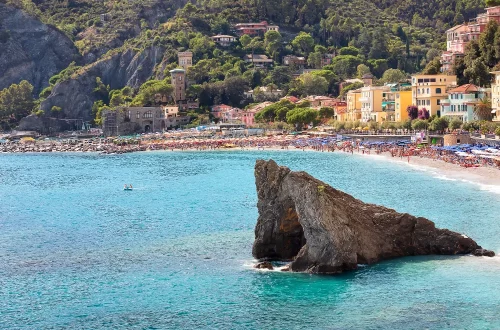

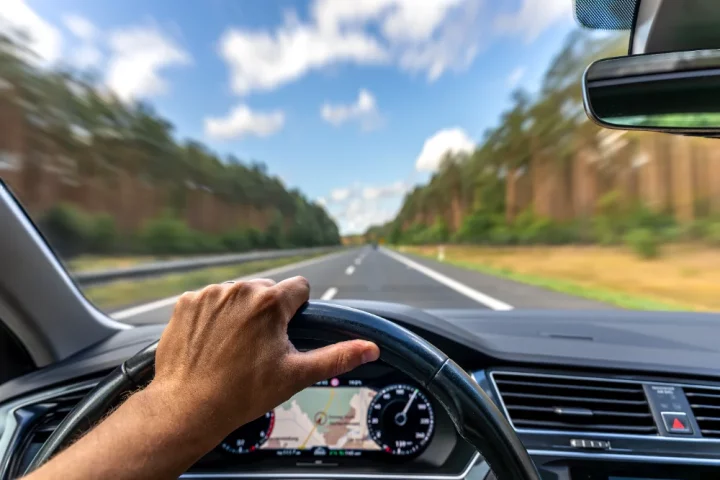
Italy is a dream destination for many travelers, and exploring its scenic countryside, historic towns, and coastal roads by car can be an unforgettable experience. For American tourists, driving in Italy is entirely possible—but it requires some preparation and awareness of local laws and customs. Whether you’re planning to rent a car for a few days or stay longer as a resident, understanding the rules, documentation, and driving culture is essential for a smooth and safe journey.
Can Americans drive in Italy?
Yes, American tourists can legally drive in Italy. To do so, you must carry a valid U.S. driver’s license along with an International Driving Permit (IDP) or an official Italian translation of your license. The IDP serves as a recognized translation of your U.S. license and is required by Italian authorities if you’re stopped or involved in an accident.
You can obtain an IDP through the American Automobile Association (AAA) either in person or by mail for a fee of around $20. It’s best to apply before your trip to ensure you have all the necessary paperwork upon arrival. The IDP is valid for one year and must be accompanied by your original U.S. license at all times.
Required documentation for driving in Italy
To legally drive in Italy, make sure you have the following documents with you:
- Valid U.S. driver’s license
- International Driving Permit (IDP) or certified Italian translation
- Passport (for identification)
- Vehicle registration documents (especially if you’re renting a car)
- Proof of insurance (provided by the rental company or your own insurer)
These documents should be kept in the vehicle while driving, as police may request them during routine checks.
Essential Italian road rules
Italy’s speed limits vary by road type and weather conditions. On motorways, the standard limit is 130 km/h, but it drops to 110 km/h in poor weather. Main extra-urban roads typically allow 110 km/h, reduced to 90 km/h during rain or snow. Secondary extra-urban roads have a limit of 90 km/h, which should be lowered to 70 km/h when conditions are wet. In urban areas, the usual speed is 50 km/h, but it may be reduced to 30 km/h in adverse weather to ensure safety.
Right-of-Way
Italy follows the priority-to-the-right rule at intersections unless otherwise indicated. This means that vehicles approaching from the right have the right-of-way. Roundabouts usually give priority to vehicles already inside the circle, but signage can vary—so pay close attention.
Headlights
It is mandatory to use dipped headlights (low beams) during the day on highways and rural roads. This rule helps improve visibility and safety, especially in tunnels and mountainous areas.
Toll roads
Many Italian highways are toll roads, and fees are based on distance traveled. You’ll receive a ticket upon entering (the autoestrade) and pay when exiting. Payment can be made by cash, card, or via the Telepass system (used by locals). Keep some euros handy just in case.
Take advantage of specialized assistance to secure your passport for a borderless future.
Driving as a Resident vs. Tourist
If you’re staying in Italy long-term and become a registered resident, the rules change. Tourists can drive with a U.S. license and IDP, but residents must obtain an Italian driver’s license within 12 months of registering.
Unfortunately, Italy does not have a reciprocal agreement with the U.S. for license exchange. This means you’ll need to:
- Pass a written theory test (in Italian)
- Complete a practical driving exam
- Possibly undergo medical evaluations
The process can be time-consuming and requires preparation, especially for non-native speakers. If you plan to stay in Italy for more than a year, consider starting the licensing process early.
Insurance and roadside assistance
Before hitting the road, make sure your rental car is properly insured. Most rental companies include basic coverage, but it’s wise to check the details and consider supplemental insurance for added protection.
Types of coverage to look for:
- Collision Damage Waiver (CDW)
- Theft Protection
- Third-party liability insurance
Also, inquire about roadside assistance services in case of breakdowns or emergencies. Having a reliable support system can save you time and stress during your travels.
Tips for safe and legal driving in Italy
Here are some practical tips to help you navigate Italian roads confidently:
- Apply for your IDP before departure to avoid delays or legal issues.
- Learn basic Italian road signs and traffic terms to understand directions and warnings.
- Avoid driving in ZTL zones (Zona a Traffico Limitato), which are restricted areas in city centers. Unauthorized entry can result in fines.
- Use GPS or navigation apps that include traffic updates and ZTL alerts.
- Be cautious on narrow roads, especially in historic towns and mountainous regions.
- Watch for scooters and motorcycles, which are common and may weave through traffic.
- Park legally and check signage carefully—many areas require permits or have time restrictions.
Driving in Italy as an American can be a rewarding experience, offering freedom to explore hidden gems and breathtaking landscapes. With the right documentation, knowledge of local rules, and a bit of preparation, you’ll be ready to enjoy the open road with confidence. Whether you’re cruising through Tuscany’s vineyards or navigating Rome’s bustling streets, understanding Italy’s driving culture will help you make the most of your journey.