


Italian pottery is celebrated worldwide for its vivid colors, refined craftsmanship, and centuries‑old artistic traditions. Among the many ceramic centers scattered across the peninsula, two stand out for their unmistakable identity and cultural significance: Deruta, in the heart of Umbria, and the Amalfi Coast, with its sun‑drenched villages overlooking the Mediterranean.
Although both regions share a deep devotion to handmade ceramics, their styles, histories, and visual languages differ dramatically. Understanding what makes each tradition unique reveals not only the artistry behind Italian pottery but also the landscapes, histories, and cultural values that shaped it.
Deruta ceramics
Deruta is considered the heart of Italian majolica, with a ceramic tradition dating back to the 12th century and reaching its artistic peak in the 1500s. Renowned for its exceptional craftsmanship, Deruta became famous for its tin‑glazed earthenware and especially for its shimmering metallic lustre, second only to that of Gubbio.
Classic Deruta pieces often feature molded relief designs, richly decorated borders divided into geometric panels, and vivid Renaissance motifs inspired by mythology and religion. Although some early works can appear heavy or rustic, the best Deruta ceramics stand out for their bold style, technical innovation, and enduring artistic flair.
Deruta pottery is crafted through a careful, traditional process: artisans hand‑shape local clay, let it dry for weeks, then fire it at high heat before glazing it with a white mineral base. After painting, each piece is fired again to set the colors permanently. Traditional colors include green, blue and yellow, commonly enriched with gold accents. Currently, more than 200 workshops are still using these methods.
Take advantage of specialized assistance to secure your passport for a borderless future.
Amalfi coast ceramics
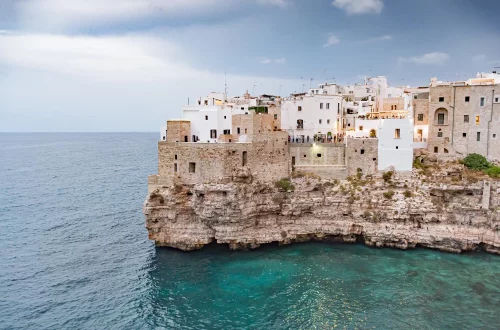
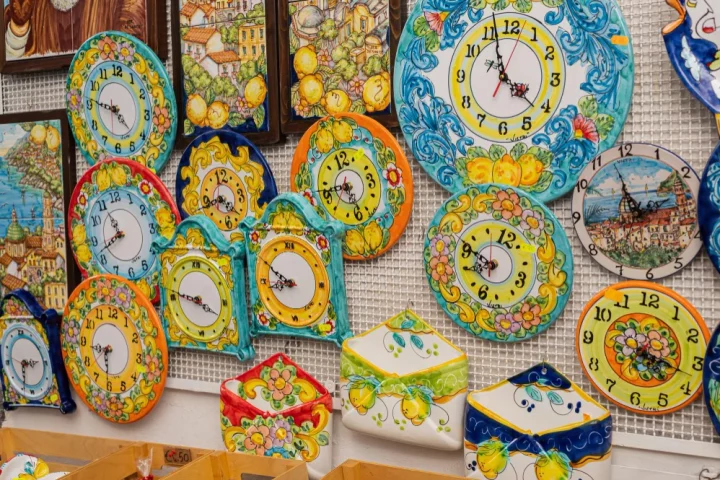
Ceramic pottery has been a defining craft of the Amalfi Coast since the fifteenth century, with towns like Vietri sul Mare, Positano, Ravello, and Amalfi known for their vibrant, hand‑painted ceramics. The region’s dramatic landscape—steep cliffs, blue Mediterranean waters, lemon groves, olive trees, and colorful hillside villages—inspires the bright palettes and lively designs found in local pottery.
Made from red clay mixed with limestone, these ceramics have been shaped, fired, and decorated for centuries, serving both practical and decorative purposes from ancient Rome to today.
After an initial firing, each piece is coated in a white glaze to make the painted colors stand out, then hand‑decorated and fired again. Vietri sul Mare remains the main production center, home to the Ceramics Museum and numerous workshops, while individual artisans in nearby towns continue to create unique pieces.
With their vivid colors and Mediterranean motifs, Amalfi Coast ceramics make memorable keepsakes that bring the region’s beauty and spirit into any home.
Deruta vs. Amalfi: two traditions, two worlds
Deruta and Amalfi Coast ceramics showcase two contrasting expressions of Italian artistry: Deruta reflects a refined Renaissance heritage with tin‑glazed majolica, metallic lustre, structured borders, and a classic palette of greens, blues, and yellows, while Amalfi ceramics embrace the vivid, sun‑soaked spirit of the Mediterranean with bright colors, coastal motifs, and red‑clay forms inspired by the region’s dramatic landscape.
Where Deruta emphasizes precision, technique, and centuries‑old workshop traditions, Amalfi favors spontaneity, bold decoration, and a direct connection to sea, cliffs, and lemon groves—together illustrating the remarkable diversity of Italy’s ceramic craftsmanship.
Now that you have explored the beauty of Italian craftsmanship and culture, take the next step toward your heritage. Whether you are curious about your roots or ready to secure your European future, io.citizen provides expert guidance on genealogical research and the complete Italian citizenship process.
FAQ
How can I identify authentic Deruta ceramics?
Look for traditional color palettes, tin‑glazed surfaces, and detailed borders. Authentic pieces are hand‑painted and often signed by the workshop.
How should I care for glazed or lustreware ceramics?
Handle pottery gently with both hands, wash it by hand with mild soap, avoid abrasive scrubbers, and protect it from sudden temperature changes.
Where can I see original Deruta and Amalfi ceramics?
Deruta’s Museo Regionale della Ceramica and the workshops of Vietri sul Mare offer firsthand access to traditional production.