


The Ligurian coast is far more than its glamorous postcards suggest. Beyond the polished allure of Portofino lies a mosaic of fishing villages, cliffside trails and centuries‑old maritime traditions that reveal the region’s true soul. From the pastel‑colored charm of Boccadasse to the dramatic terraces of the Cinque Terre, this stretch of the Italian Riviera offers a rich tapestry of landscapes, culture and history. Exploring these communities means stepping into a world shaped by the sea—where ancient routes, local craftsmanship and everyday coastal life continue to define one of Italy’s most captivating regions.
Boccadasse: Genoa’s hidden fishing enclave
Boccadasse is a small former fishing village now absorbed into Genoa, yet it still feels worlds away from the city’s pace, preserving its quiet charm, pastel houses and deep maritime roots. Its narrow caruggi, the traditional Ligurian alleyways, along with the tiny pebble beach and fishing boats, create an atmosphere that seems frozen in time, while the Church of Sant’Antonio and its terrace offer sweeping views over the bay. Wandering through its alleys, climbing the old crêuze paths and lingering by the shore reveal a place where daily life still follows the rhythm of the sea. With its gelaterias, simple seafood, sunset colors and intimate scale, Boccadasse remains one of the most authentic and enchanting corners of the Ligurian Riviera.
The Cinque Terre: five villages shaped by sea and stone
Cinque Terre, nestled along the Italian Riviera, is a captivating region where history, natural beauty, and coastal charm converge. Comprising five enchanting villages—Monterosso al Mare, Vernazza, Corniglia, Manarola, and Riomaggiore—this UNESCO World Heritage site offers a vibrant tapestry of colorful homes, terraced vineyards, and dramatic seaside cliffs. Whether you're hiking the scenic trails or savoring local cuisine, each village adds its own unique flavor to the unforgettable experience of Cinque Terre.
Each of the five villages in Cinque Terre offers a distinct atmosphere and charm. Monterosso al Mare is the largest and most resort-like, known for its sandy beaches and vibrant promenade. Vernazza enchants with its elegant harbor and medieval architecture, making it a favorite for photographers. Corniglia, perched high above the sea, is the only village without direct beach access, offering a quieter, more secluded experience. Manarola captivates with its dramatic cliffside views and romantic ambiance, ideal for sunset strolls. Riomaggiore, closest to La Spezia, features colorful houses cascading down the hillside and a lively local vibe, perfect for immersing in authentic Ligurian life.
Camogli and Noli: Rustic Simplicity in Contrast to Portofino
Noli, Camogli and Portofino all share the same Ligurian coastline, yet each expresses a completely different soul of the Italian Riviera. Noli is the most deeply rooted in maritime tradition: its life has long revolved around fishing, the xávega net‑hauling technique, and the dramatic natural setting of cliffs, coves and pine‑scented hills. It is a place where sea and land blend seamlessly, where medieval churches, painted façades and quiet coastal paths preserve the atmosphere of an ancient maritime republic. Camogli, overlooking the Golfo Paradiso, offers a softer, more romantic version of authenticity. Its tall, vividly painted houses, trompe‑l’oeil façades and centuries‑old churches create a postcard‑like village that still reflects its seafaring past while embracing artisanal traditions such as weaving and textile dyeing. Both towns feel lived‑in, genuine and shaped by the rhythm of everyday life.
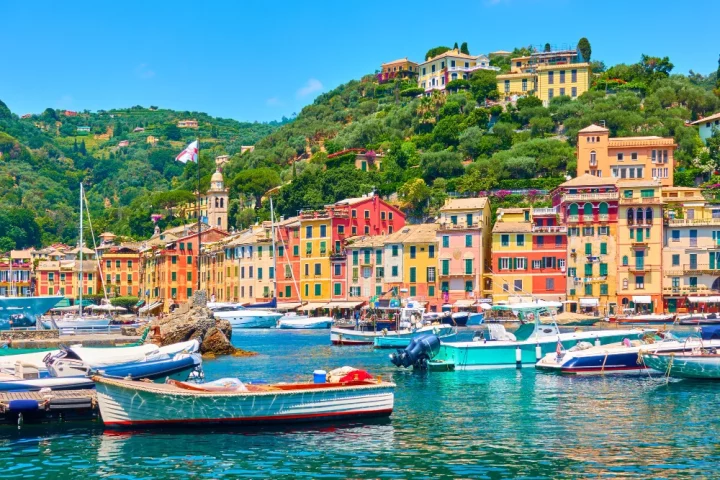
Portofino, by contrast, represents the Riviera’s polished, glamorous face. Once a simple fishing settlement, it transformed in the mid‑20th century into an exclusive resort beloved by artists, celebrities and travelers seeking beauty and refinement. Its pastel houses, geranium‑covered terraces and yacht‑filled harbor create an atmosphere of elegance, complemented by designer boutiques, waterfront cafés and iconic landmarks like Castello Brown and the Church of San Giorgio. Even its natural attractions—such as the diving sites and the famous underwater statue of the Cristo degli Abissi—reflect a curated, luxurious approach to coastal life. While Noli and Camogli preserve the quiet authenticity of Ligurian tradition, Portofino embodies the Riviera’s sophisticated allure, making the three villages fascinating contrasts along the same stretch of sea.
Take advantage of specialized assistance to secure your passport for a borderless future.
Maritime routes: lifelines of the Ligurian coast
Before modern roads carved their way through the cliffs, the sea was the primary means of connection between Liguria’s isolated communities. Boats carried goods, news and people from one village to another, creating a network of maritime routes that shaped local culture. These connections fostered shared traditions, dialects and culinary practices, while also allowing each village to maintain its distinct identity. Even today, ferries trace these ancient paths, linking the villages in a way that echoes centuries of coastal navigation.
Frequently Asked Questions (FAQ)
Which fishing villages near Portofino are the most authentic?
Camogli and Noli are some of the most authentic fishing villages near Portofino, offering a genuine glimpse into Liguria’s coastal heritage far from its glamour.
How can you visit the Cinque Terre from Portofino?
You can reach Portofino by taking a train to Santa Margherita Ligure and then a scenic coastal bus. Ferries from Rapallo run when the sea is calm, while driving is possible but difficult due to narrow roads and limited, expensive parking.
What is the best time of year to explore the Ligurian coast and avoid crowds?
The best times to visit the Ligurian coast without crowds are spring and early autumn, when the weather is pleasant, the sea is still warm, and the villages feel more relaxed and authentic.