


Italy’s great cities are undeniably magnificent, but exploring beyond Rome, Florence, and Venice reveals a different, more intimate side of the country. Smaller towns and lesser‑known regions offer a slower rhythm, deeper cultural roots, and landscapes untouched by mass tourism.
These places preserve traditions that have shaped Italian identity for centuries—whether through local cuisine, ancient architecture, or the quiet rituals of everyday life.
For travelers seeking authenticity, unexpected beauty, and a richer understanding of Italy’s diversity, venturing off the classic tourist trail can be a rewarding and eye‑opening experience.
Picturesque and historic towns off the beaten path
Italy is dotted with medieval villages, remote hamlets, and even abandoned towns that feel suspended in time. These places often sit atop cliffs, hide within rolling hills, or cling to rocky outcrops, preserving centuries of architecture and tradition.
Civita di Bagnoregio, for instance, is a hidden gem in Italy’s Lazio region, a tiny medieval village perched dramatically on a volcanic tuff cliff and reachable only by a pedestrian bridge. Often called “the dying city,” it feels frozen in time, offering visitors an atmosphere of authenticity, history, and striking scenery.
Its poetic nickname comes from the constant erosion and seismic activity that slowly wear away the fragile clay valley beneath it, threatening the very foundation on which the village stands.
Verona, often celebrated as the city of lovers, is a historic gem in the Veneto region known for its romantic atmosphere and iconic landmarks. Famous for the legend of Romeo and Juliet, the city draws visitors to Juliet’s House, its symbolic statue.
Verona also boasts the remarkably preserved Roman Arena, home to world‑renowned opera performances. Its medieval Castelvecchio, rich artistic heritage, and layered history—from Etruscan and Roman origins to Venetian and Napoleonic rule—make Verona a vibrant destination where centuries of culture, architecture, and storytelling come together.
The surroundings of Verona also hold noticeable landmarks. The Scaligero Castle in Sirmione, a 14th‑century lakeside fortress built by the Della Scala family, welcomes visitors with its striking towers, fortified walls, and inner courtyard leading to the old harbor. Originally a defensive outpost for Verona, it later served as a depot and barracks before being restored in 1919.
Adding to its allure is a local legend claiming that the ghost of Ebengardo still wanders the castle halls in eternal search of his beloved Arice, tragically killed by a guest who became obsessed with her beauty.
Further south, Matera stands out for its ancient Sassi—cave dwellings carved into limestone cliffs that create one of the most striking urban landscapes in Europe. Craco, an abandoned town in Basilicata, adds a touch of mystery with its empty houses and silent streets, preserved after landslides forced residents to leave. Each of these places offers a unique blend of history, visual beauty, and tranquility, inviting travelers to experience Italy as it once was.
Take advantage of specialized assistance to secure your passport for a borderless future.
Lesser‑known coastal gems
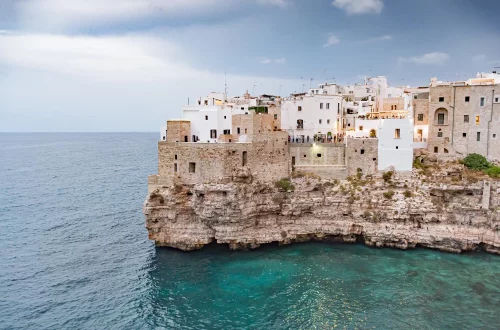
Italy’s coastline is famous worldwide, yet many of its most charming seaside towns remain relatively undiscovered. These fishing villages and small coastal communities offer colorful houses, peaceful harbors, and a deep connection to maritime traditions.
Tropea, on the Costa degli Dei in Calabria, is celebrated for its turquoise waters, dramatic cliffs, and lively historic center perched above the sea. Minori, on the Amalfi Coast, provides a quieter alternative to its more famous neighbors, with a relaxed atmosphere and excellent pastries.
On the island of Sardinia, Bosa captivates with its colorful hillside houses, medieval castle, historic churches, and preserved architectural districts that reflect centuries of cultural and urban heritage. Camogli, in Liguria, charms visitors with its vibrant houses, small fishing boats, and cheerful atmosphere even on cloudy days.
Nature, trails, and rural landscapes
Beyond its towns and cities, Italy offers vast natural landscapes ideal for hiking, scenic drives, and quiet retreats. Mountain ranges, valleys, and rural regions provide opportunities to reconnect with nature and experience the country’s slower, more contemplative side.
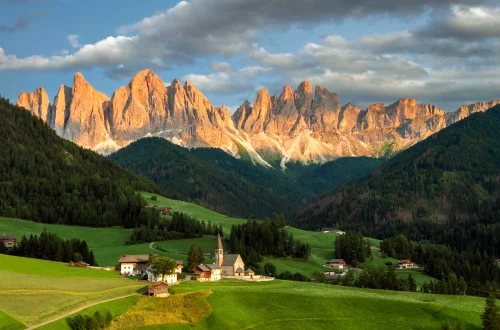
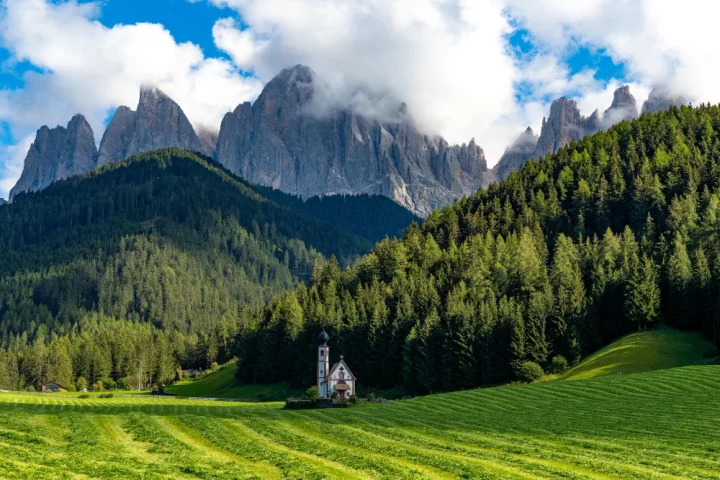
The Dolomites, praised by Le Corbusier as “the most beautiful architectural work in the world,” form a vast UNESCO‑listed mountain range in the Eastern Alps, spanning over 140,000 hectares across Trentino‑Alto Adige, Veneto, and Friuli‑Venezia Giulia. Known as the “pale mountains” for their distinctive dolomite rock, they offer dramatic landscapes, untouched nature, and exceptional outdoor opportunities.
The range stretches from the Brenta Dolomites to the Friulian Dolomites and includes iconic groups such as Catinaccio, Marmolada, and the Pale di San Martino. Among its most visited areas is Dolomiti Superski, home to a national park, nine nature parks, and Italy’s largest interconnected ski region.
Further south, Apulia is a sun‑soaked Mediterranean region known for its warm hospitality, beautiful coastlines, and rich cultural heritage, from trulli houses to historic towns and striking landmarks like Castel del Monte.
Basilicata, meanwhile, is a lesser‑known southern region between Campania, Puglia, and Calabria, sparsely populated and rich in small villages, forests, and lakes, with only two provinces—Matera and Potenza.
These natural areas invite visitors to slow down, breathe deeply, and appreciate Italy’s quieter beauty—one shaped not by monuments, but by the land itself.
The Italy hidden between the lines
Ready to turn your Italian dream into reality? Whether you are tracing your genealogy or need expert legal guidance for your citizenship application, io.citizen provides a full-service solution to secure your European passport with professional excellence.
Join thousands of successful applicants and start your journey toward Italian citizenship today. Contact our specialist team for a comprehensive document analysis and take the first step toward your new legacy.