


Italian weddings, i matrimoni italiani, are living expressions of culture, family, and tradition. Like Christmas, Easter, or anniversaries, weddings in Italy carry rituals passed down through generations, varying from region to region yet always preserving their charm. What makes them so captivating is the balance between simplicity and extravagance, a sensory experience that embodies identity, history, and belonging. As stories and memories are shared across families, these traditions reinforce togetherness and create lasting memories, making the wedding day not only a celebration of love but also a tribute to heritage.
Origins and history of Italian wedding traditions
During the Renaissance, weddings among wealthy or influential families were elaborate, multi-day events filled with parades, processions, performances, and feasts. Reviving ancient Roman traditions, custom-written wedding poems (epithalamia) celebrated marriage as a civic institution that upheld family values and social stability. The wedding procession was the most public ritual, symbolizing the transfer of the bride from father to husband, and often resembled triumphal parades. These spectacles, sometimes dangerous due to tensions over dowries or hostile crowds, were designed to display unity and grandeur, with ornate decorations, allegorical floats, and triumphal arches, such as those created for the Medici weddings.
Wedding feasts were equally extravagant, featuring dozens of courses, jousts, dances, and sugar sculptures shaped into castles, ships, and animals. Accounts describe fireworks displays, lavishly embroidered table settings, and theatrical performances that transformed entire cities into stage sets. Artists like Botticelli even depicted the darker side of wedding banquets, blending opulence with cautionary tales. These celebrations reflected both the magnificence and anxieties surrounding marriage, embodying the hopes of families while revealing the social pressures tied to unions of power and wealth.
The Italian wedding ceremony
Italian weddings are steeped in tradition, beginning with the engagement, where a diamond ring symbolizes eternal love and commitment. Unlike other cultures, engagement parties are not customary, though families often meet to celebrate the couple’s decision. Modern additions like hen or bachelorette parties have become popular, while superstitions remain strong—brides avoid wearing gold except for their wedding ring, and follow the custom of “something old, new, borrowed, and blue.” The bridal gown is traditionally white, crafted from fine Italian fabrics, with modest styles required for Catholic ceremonies. Guests follow dress codes based on the formality, season, and time of day, while mothers and attendants choose elegant, breathable fabrics for summer weddings.
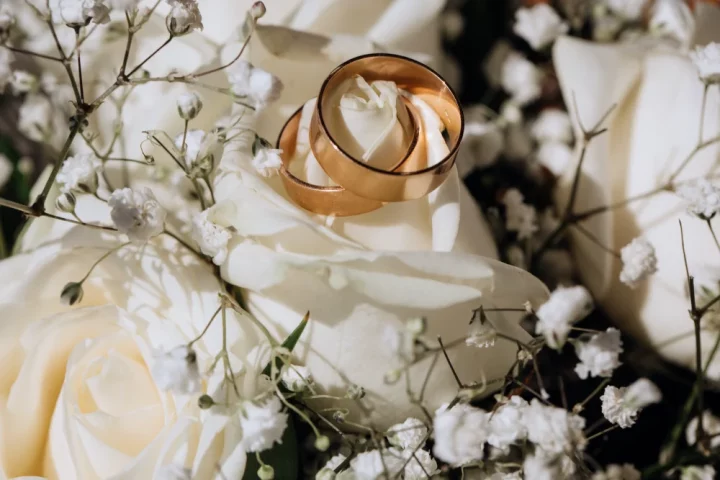
The ceremony itself emphasizes family, with the bride escorted by her father to the groom, who must not see her beforehand. The exchange of rings, called fede (faith), is the emotional centerpiece, rooted in Roman beliefs about the “vena amoris,” the vein of love. Afterward, guests shower the couple with rice or wheat to symbolize fertility and prosperity, and in some regions, couples perform symbolic acts like sawing a log together or tying a ribbon to represent “tying the knot.”
Receptions are lively affairs centered on food, wine, and joyful customs. Guests enjoy aperitifs before the couple arrives, then indulge in multi-course meals, limoncello, and desserts. Playful traditions include clinking glasses to prompt kisses, cutting and selling the groom’s tie, or friends playing pranks at the couple’s home. The bouquet toss signals who may marry next, and the wedding cake is tiered, white, and topped with figurines. The day concludes with bomboniere—small favors containing sugared almonds in odd numbers, symbolizing luck and family life—given to guests as tokens of gratitude.
Take advantage of specialized assistance to secure your passport for a borderless future.
Regional traditions and local variations
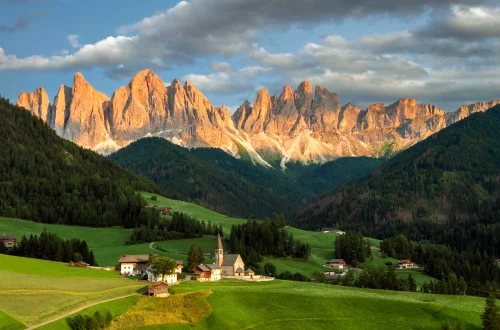
Italy’s regional diversity means wedding customs vary widely. In northern regions like Lombardy, weddings are often elegant and formal, with refined menus and stylish attire. Central Italy, including Tuscany, emphasizes history, art and rustic charm, with celebrations often held in vineyards and medieval villages.
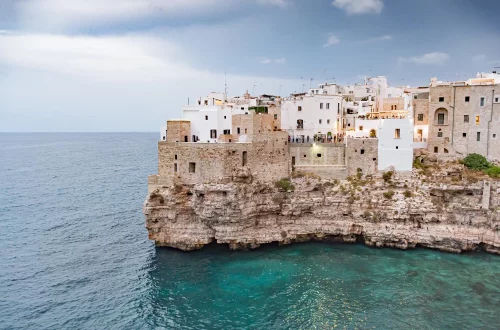
Southern Italy is famous for vibrant weddings, especially in Campania and Sicily, with sea views and historic villas. The Amalfi Coast offers dramatic cliffs and charming villages like Positano and Ravello, perfect for outdoor ceremonies. Puglia provides elegant settings in restored farmhouses and ancient trulli, while Sicily combines tradition and modernity with castles, seaside villas, and historic venues surrounded by stunning landscapes.
Modern traditions versus ancient customs
Contemporary Italian weddings blend old traditions with modern trends. While many couples still choose church ceremonies, civil weddings have become more common, reflecting changing social attitudes. Modern receptions may feature destination venues, professional photography, and international cuisine, yet traditional elements like bomboniere and family blessings remain intact.
Couples today often adapt customs to suit their lifestyles. For example, while the superstition against May weddings has faded, many still honor symbolic gestures such as the veil and ring. Trends like destination weddings in Tuscany or Amalfi showcase how Italy’s cultural heritage continues to inspire both locals and foreigners.
Italian wedding traditions reinforce the importance of family, community, and cultural identity. They serve as a bridge between past and present, preserving heritage while adapting to modern life. By honoring traditions, Italians maintain a sense of continuity and belonging.
Italian wedding traditions are a rich tapestry of history, symbolism, and cultural identity. From ancient rituals to modern adaptations, they reflect the values of family, community, and celebration that define Italian life. Whether through the solemnity of a church ceremony, the joy of a lively reception, or the charm of regional customs, Italian weddings remain timeless expressions of love and heritage.