




Introduction to the Italian real estate market
Italy has long captivated foreign buyers with its rich history, stunning landscapes, and enviable lifestyle. From the rolling hills of Tuscany to the sun-drenched coasts of Sicily, the country offers a wide range of properties that appeal to retirees, investors, and lifestyle seekers alike.
In recent years, the Italian real estate market has seen a steady increase in foreign interest, driven by relatively affordable prices compared to other Western European countries, favorable exchange rates, and the allure of owning a piece of Italy’s cultural heritage.
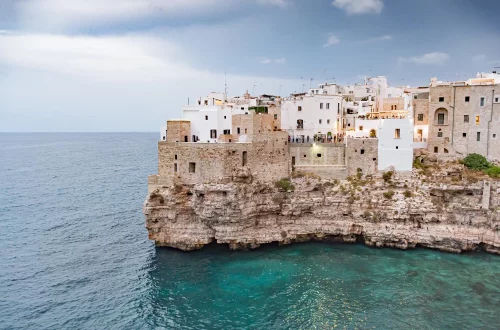
Regions such as Puglia, Abruzzo, and Umbria have become hotspots for international buyers looking for rustic charm and lower costs, while cities like Rome, Florence, and Milan continue to attract those seeking urban sophistication.
The rise of remote work and lifestyle migration has also contributed to this trend, with many foreigners choosing Italy for its slower pace, excellent cuisine, and scenic beauty.
Legal requirements for foreigners buying property in Italy
Italy is generally welcoming to foreign property buyers, and the process is relatively straightforward—especially for citizens of the European Union. However, there are specific legal considerations depending on your nationality and residency status.
EU Citizens
Citizens of EU member states enjoy full rights to purchase property in Italy without any special permits or restrictions. They are treated the same as Italian nationals in terms of property ownership and can buy, sell, and rent real estate freely.
Non-EU Citizens
For non-EU citizens, including Americans, the ability to purchase property depends on the principle of reciprocity—meaning that Italy allows citizens of countries that grant similar rights to Italians.
Brazil and the United States are among the countries with reciprocal agreements, so their citizens can legally buy property in Italy.
However, owning property does not automatically grant residency. If you plan to live in Italy, you’ll need to apply for the appropriate visa.
The Elective Residency Visa is commonly used by retirees or individuals with sufficient financial means who wish to reside in Italy without working. This visa requires proof of income, accommodation, and health insurance.
Take advantage of specialized assistance to secure your passport for a borderless future.
Property search and selection process
Finding the right property in Italy involves several key steps, starting with defining your criteria. Location is crucial—do you prefer a bustling city, a quiet countryside village, or a coastal retreat?
Each region offers a distinct lifestyle, climate, and price point.
Key Considerations:
- Type of property: Apartment, villa, farmhouse, or historic building;
- Purpose: Vacation home, permanent residence, or investment;
- Budget: Including purchase price, renovation costs, and taxes;
- Accessibility: Proximity to airports, hospitals, and public transport;
- Legal status: Ensure the property is properly registered and free of encumbrances.
Working with a licensed real estate agent (agente immobiliare) and a notary (notaio) is essential. The notary ensures the legality of the transaction and registers the property with the land registry.
Due diligence is critical—verify ownership, zoning regulations, and any outstanding debts or liens.
Mortgage options for foreign buyers
When buying property in Italy, foreign buyers must decide between paying in cash or securing a mortgage, with non-residents typically receiving 50–60% loan-to-value financing and needing to prove income and creditworthiness.
Mortgage options include fixed, variable, and mixed-rate loans, with terms ranging from 15 to 25 years and interest rates averaging 2.7% to 4% as of 2025. The process takes about 8–10 weeks and includes pre-approval, appraisal, and final deed signing.
Buyers should also consider taxes and fees such as registration tax (2%–9%), VAT on new builds (10%–22%), mortgage registration tax (0.25%–2%), notary fees (1%–1.5%), annual IMU property tax (0.4%–1%), insurance, and potential condominium fees.
Capital gains tax is 26% but exempt after five years or for primary residences. Currency exchange risks may affect euro-denominated loans, prompting some investors to leverage assets in their home country.
Typical Requirements:
- Proof of income and financial stability;
- Valid passport and tax identification number (codice fiscale);
- Property appraisal and valuation;
- Down payment of at least 20–40% of the property value;
- Loan term typically between 5 and 25 years.
Interest rates are generally competitive, and fixed-rate mortgages are common. Some international banks with branches in Italy may offer tailored services for foreign clients.
It’s advisable to consult a mortgage broker or financial advisor familiar with cross-border transactions.
Take advantage of specialized assistance to secure your passport for a borderless future.
Owning property without permanent residency
It’s entirely possible to own property in Italy without being a resident. Many foreigners purchase vacation homes or investment properties and visit periodically.
Maintenance and management
Managing a property from abroad can be challenging. Many owners hire local property managers to handle maintenance, security, and rental logistics.
Utilities, insurance, and upkeep must be arranged, and language barriers can complicate communication with service providers.
Residency limitations
Without a visa or residency permit, you are limited to short stays—typically up to 90 days within a 180-day period under the Schengen rules.
If you plan to spend more time in Italy, you’ll need to apply for a long-stay visa or residency permit.
A gateway to Italian living
Buying property in Italy offers a unique opportunity to immerse yourself in one of the world’s most culturally rich and visually stunning countries
Whether you’re drawn by the romance of Tuscan vineyards, the vibrancy of Roman life, or the tranquility of coastal villages, Italy welcomes foreign buyers with open arms and a relatively accessible legal framework.
Understanding the legal requirements, financial options, and practical implications is key to a successful purchase.
With careful planning and the right professional support, owning a home in Italy can be the beginning of a lifelong connection to its beauty, history, and charm.