Drinking coffee in Italy is a deeply rooted cultural ritual and a symbol of social connection. Introduced through trade routes in the 16th century, coffee quickly became a staple in Italian society, evolving from exotic luxury to everyday necessity.
Today, Italy ranks among the top coffee-consuming countries in Europe, with millions of cups brewed and enjoyed daily in homes, bars, and cafés across the nation.
The Italian coffee culture is defined by simplicity, quality, and tradition. Whether it’s a quick espresso at the bar or a leisurely cappuccino at breakfast, coffee serves as both a personal indulgence and a communal experience.
This cultural significance is reflected in the rituals, etiquette, and even the architecture of Italian cafés, which are designed to foster conversation, reflection, and a sense of belonging.
The cappuccino ritual: timing and etiquette
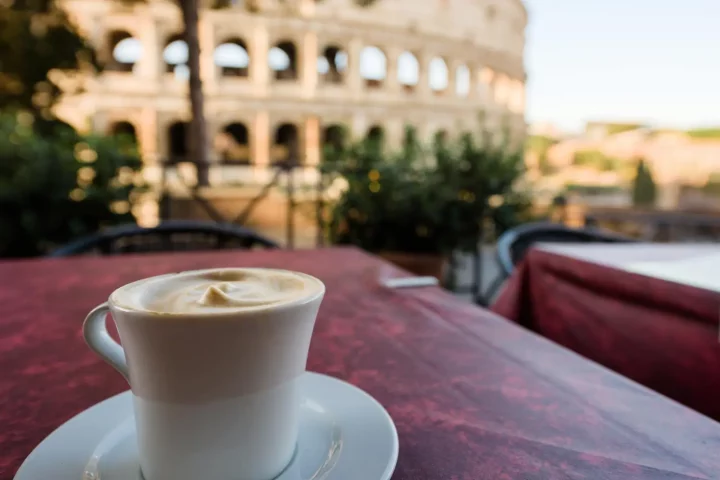
One of the most iconic aspects of Italian coffee culture is the strict timing associated with cappuccino. In Italy, cappuccino is considered a breakfast drink, typically enjoyed before 11 a.m. and often paired with a pastry like a cornetto. Ordering a cappuccino after lunch or dinner is seen as a cultural faux pas, and may even earn a raised eyebrow from the barista.
Italians believe that the milk in cappuccino is too heavy to consume after a meal, and that it disrupts the natural digestive process.
For visitors, respecting this custom is a sign of cultural awareness. While exceptions exist in tourist-heavy areas, locals tend to follow the rule religiously, reinforcing the idea that coffee is not just about taste—it’s about timing, context, and respect for tradition.
Take advantage of specialized assistance to secure your passport for a borderless future.
Types of Italian coffee and their contexts
Italian coffee is celebrated for its variety, each type tailored to a specific moment or mood. The cornerstone of Italian coffee culture is the espresso—a small, intense shot served in a porcelain cup, typically consumed standing at the bar. It’s fast, strong, and deeply satisfying, often enjoyed multiple times a day.
Other popular variations include:
- Macchiato: Espresso “stained” with a dash of milk, ideal for those who want a touch of creaminess without compromising strength.
- Ristretto: A shorter, more concentrated espresso, perfect for those who prefer bold flavor.
- Lungo: A “long” espresso with more water, offering a milder taste.
- Corretto: Espresso “corrected” with a splash of liquor, such as grappa or sambuca, often consumed after meals or during social gatherings.
- Espresso doppio: A double shot of espresso for those needing an extra boost.
- Caffè freddo: Chilled espresso, popular in summer months.
In Italy, milk-based coffees like lattes and cappuccinos are typically enjoyed only in the morning, as it’s believed that consuming milk after meals can hinder digestion. This custom reflects Italy’s emphasis on dietary harmony and the idea of coffee as a light, social ritual.
In contrast, espresso is commonly consumed after lunch or dinner, as its strong flavor and caffeine content are thought to aid digestion and provide a satisfying end to a meal.
The aperitivo tradition: between coffee and cocktails
Between the last coffee of the afternoon and the first sip of wine at dinner lies another cherished Italian ritual: the aperitivo. Typically enjoyed between 6 and 8 p.m., the aperitivo is a social event designed to stimulate the appetite and unwind after the workday.
Popular aperitivo drinks include Negroni, Spritz and Aperol, often accompanied by light snacks such as olives, nuts, or small sandwiches. While not directly related to coffee, the aperitivo shares its spirit of conviviality and ritual. It’s a moment to pause, connect, and transition from day to evening.
In cities like Milan and Turin, the aperitivo has evolved into a full-fledged cultural institution, with bars offering elaborate buffets and curated drink menus. It reflects the Italian love of balance—between work and leisure, simplicity and sophistication.
Unwritten rules of Italian coffee bars
Navigating an Italian coffee bar requires more than just knowing what to order—it demands an understanding of local etiquette. One of the first things to note is the standing culture. Most Italians drink their coffee at the counter, quickly and without ceremony. Sitting at a table often incurs a higher charge, especially in tourist areas.
Another key rule is payment order. In many bars, customers pay first at the cashier, then present their receipt to the barista. This system keeps the flow efficient and avoids confusion. Interaction with baristas is typically brief but respectful—no need for small talk, just a polite greeting and clear order.
Tipping is not expected, and lingering is uncommon. The experience is designed to be fast, focused, and functional. For newcomers, observing locals and following their lead is the best way to blend in and enjoy the moment authentically.
Take advantage of specialized assistance to secure your passport for a borderless future.
Cultural and economic impact of coffee in Italy
Italy stands out as one of Europe’s most dynamic coffee markets, ranking second in green coffee imports after Germany and boasting a rich espresso-based coffee culture. In 2022, the country imported 672 thousand tonnes of green coffee—96% of which came directly from producing nations—with Brazil, Vietnam, and Uganda as the top suppliers.
Despite a temporary dip in 2020 due to the pandemic, Italy has since led Europe in coffee import growth. Its strong consumer base and extensive roasting industry, though rooted in tradition, are evolving with trends like single-serve coffee and market consolidation, making it an attractive destination for exporters and global coffee brands
Coffee is part of Italian culture
Italian coffee culture is a rich tapestry of history, ritual, and social connection. It’s not just about caffeine—it’s about how, when, and why coffee is consumed. From the morning cappuccino to the evening aperitivo, each moment is steeped in tradition and meaning.
For those looking to understand Italy beyond its monuments and museums, coffee offers a window into everyday life. It’s a language of its own, spoken in sips, gestures, and shared experiences. And once you learn its rhythms, you’ll never drink coffee the same way again.