


Coffee in Italy is a cultural ritual, a social connector, and a symbol of national identity. From bustling cafés in Rome to quiet bars in small villages, coffee punctuates the rhythm of daily life. Italians have cultivated a unique coffee culture that blends history, tradition, and lifestyle, making it one of the most recognizable and influential in the world.
What is Italian coffee culture?
Italian coffee culture is defined by its simplicity, ritual, and social importance. The culture emerged in the 16th century when coffee first arrived in Venice through trade. Over time, cafés became central meeting places for intellectuals, artists, and everyday citizens.
One of Italy’s most iconic drinks, the cappuccino, emerged in the early 1900s. Its name was inspired by the Capuchin friars, whose brown robes and shaved heads resembled the drink’s creamy froth and dark base. While cappuccinos are reserved for mornings, Italians often turn to espresso throughout the day, reflecting their strong sense of timing and respect for coffee customs.
For visitors, Italian coffee is more than a beverage—it is an experience. Coffee is often enjoyed standing at bars, where locals exchange greetings and share brief moments of connection. This ritual embodies simplicity, community, and pause, offering travelers a chance to savor not just the drink but the culture surrounding it.
Traditional types of Italian coffee
Italy’s coffee repertoire is rich and varied, with each type reflecting a different aspect of the culture:
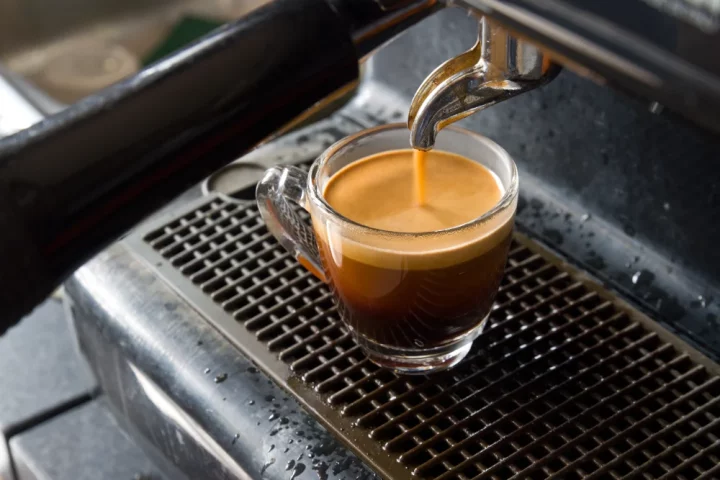
- Espresso: The foundation of Italian coffee culture. A small, concentrated shot brewed under pressure, served in a tiny cup. It is the most common and versatile form of coffee in Italy.
- Cappuccino: Made with espresso, steamed milk, and milk foam. Traditionally consumed only in the morning, never after meals.
- Macchiato: Espresso “stained” with a small amount of milk, offering a balance between strong and smooth.
- Ristretto: A shorter, more concentrated espresso with intense flavor.
- Caffè lungo: Extra water for a smoother, milder flavor.
- Latte: Known abroad as a milk-heavy drink, but in Italy, ordering “latte” will get you a glass of milk. The proper term is caffè latte, usually enjoyed at breakfast.
These variations highlight the Italian emphasis on portion, timing, and flavor balance.
The importance of coffee in everyday Italian life
Two cultural differences stand out when visiting Italy: Italy’s relaxed approach to time and its distinct coffee traditions. Stores often closed midday or earlier than in the U.S., and dinners began late in the evening, requiring more planning for daily errands. Coffee was enjoyed standing at bars, with cappuccinos reserved for mornings and espressos favored throughout the day. While these habits required some adjustment, they reflect Italians’ emphasis on balance, slowing down, and valuing social connection in everyday life.
Different variations cater to taste preferences: a caffè lungo uses extra water for a smoother, milder flavor, while a ristretto is a shorter, more concentrated espresso with bold intensity. For those seeking alternatives, decaf and Americanos are also common—an Americano being espresso served with hot water on the side so it can be diluted to taste.
Take advantage of specialized assistance to secure your passport for a borderless future.
Coffee etiquette in Italy
To truly appreciate Italian coffee culture, it is important to understand the etiquette:
- Ordering: Most Italians drink coffee standing at the bar. You order quickly, drink quickly, and move on. Sitting at a table often costs more.
- Timing: Cappuccino is for mornings only. Ordering one after lunch marks you as a tourist. Espresso, however, is timeless.
- Consumption: Coffee is consumed in small portions, never in large mugs. It is meant to be enjoyed in a few sips.
Global influence of Italian coffee culture
Italian coffee culture has had a profound impact worldwide. The invention of the espresso machine in the late 19th century/early 20th century revolutionized coffee preparation, setting a standard for quality and consistency. Italian cafés inspired the rise of international coffee chains, many of which adopted espresso-based drinks like cappuccinos and lattes as staples.
Beyond technology, Italy exported its philosophy of coffee: small, strong, and social. Today, espresso bars can be found across the globe, and terms like “macchiato” and “ristretto” are part of the international coffee vocabulary. Italian coffee culture remains a benchmark of authenticity, influencing both specialty cafés and mainstream coffee shops.
Tips for experiencing Italian coffee culture
Even outside Italy, you can embrace the spirit of Italian coffee culture:
- Respect timing: Enjoy cappuccino in the morning, espresso after meals.
- Choose quality: Opt for small, well-prepared coffees rather than oversized drinks.
- Drink at the bar: Don’t linger, it is supposed to be a quick experience.
- Embrace ritual: Treat coffee as a moment of pause, not just a caffeine fix.
- Seek authenticity: Visit cafés that prioritize craftsmanship and tradition.
By following these tips, you can bring a touch of Italy into your daily coffee routine, appreciating not just the drink but the culture behind it.
Italian coffee culture is a blend of history, tradition, and lifestyle. From the invention of espresso to the global spread of cappuccino, Italy has shaped how the world drinks coffee. At home, coffee remains a vital part of daily life, marking moments of connection, pause, and pleasure. For travelers and enthusiasts alike, understanding Italian coffee etiquette and traditions offers a deeper appreciation of this cultural treasure. Whether enjoyed in a bustling Roman café or recreated in your own kitchen, Italian coffee is an experience, a ritual, and a way of life.